Love. A paradoxically simple yet complex word. Only four letters, but comprises much substance.
You may ask why. Love leaves involves a myriad of emotions. It allows people to experience a multitude of feelings, including vulnerability, rejection, and insecurity. An entity of ironhttps://vocal.media/poets/the-buffet-of-lovey, love also fills us with bliss and gratitude.
It is also complex because each person has different perspectives and experiences regarding love. Thus, expectations vary. While some associate it with joy, dread and sorrow overcome others. Romeo and Juliet had a tragic encounter with love while marriage is a time of joy for many couples.
Love is a challenge to express. For some, it simply means a show of concern for another. Others require grand gestures to be convinced that others love them. Some people are not capable of romantic proposals or over-the-top Valentine’s Day presents. Instead, they turn to simple displays of concern -they prepare filling dinners for the ones they love.
Then there is timing. Love happens at unexpected times and places. A classic example of this is when two people of diametrically opposite characters get married. My husband and I hail from dissimilar backgrounds – he belongs to a traditional Chinese family while I have Westernized Peranakan (Straits Born Chinese in Singapore) roots. We’ve been married for a quarter of a century.
Everyone brings a different facet of love to an over-filled buffet table. Enjoy this little sonnet.
I have thought a lot about managing expectations of late. Of course, there has been a bit of frustration over them.
Managing expectations is an enormous part of life. I feel the need to manage expectations of parents, students and colleagues as a teacher. There are expectations of us at work. Our families expect a lot from us. Of course, we expect a lot from ourselves.
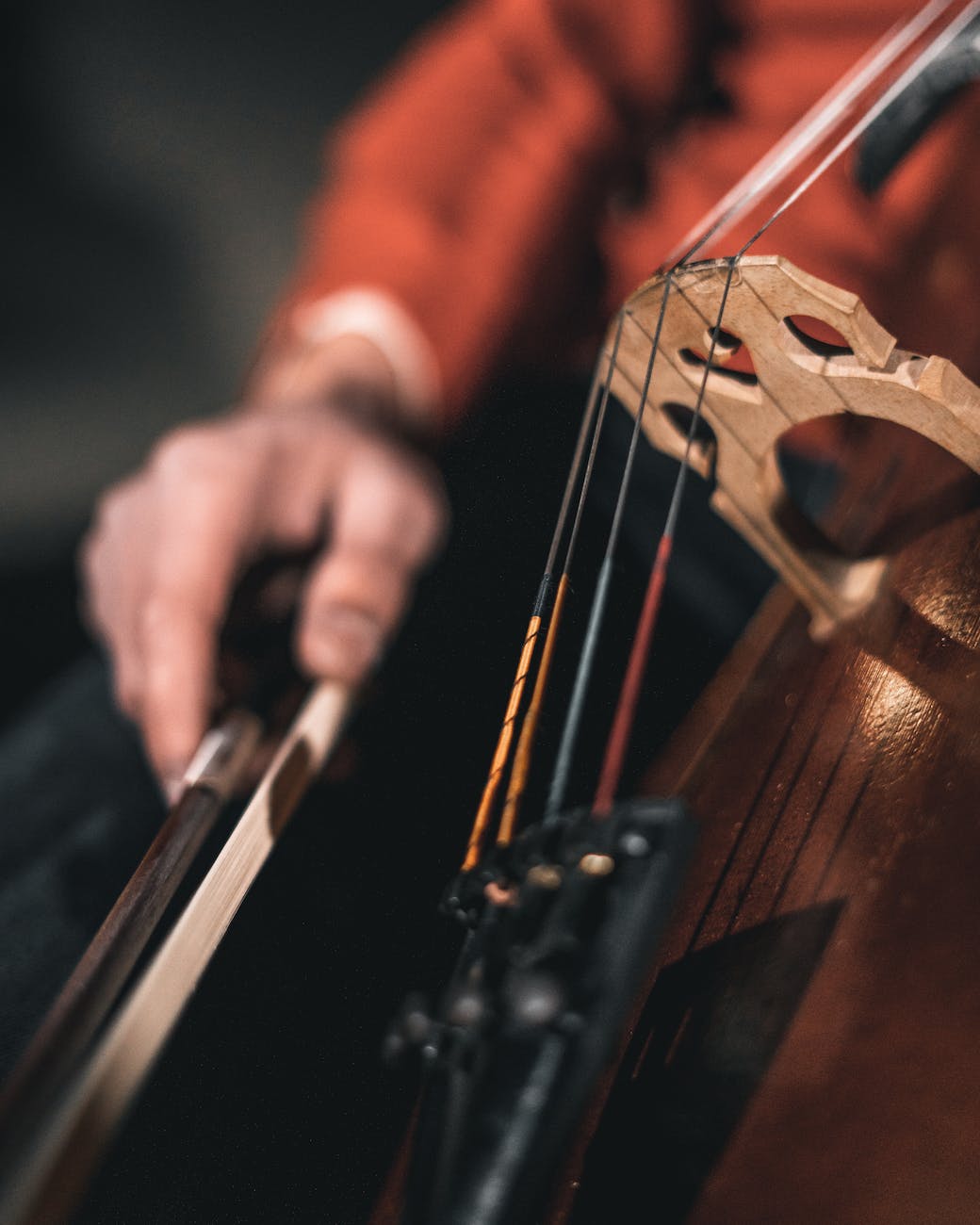
Managing expectations is a lot like playing in an orchestra. There must be open communication among its members. One must set realistic goals, and not over-promise. And of course, there must be flexibility.
Enjoy this sonnet.
Orchestra plays, a non-harmonic blend
The audience cringes, faces sallow
The melody comes, in pain, to an end
The final note sounding hallow
Its members heads turn about
Looking for a cue
Seeking for a guiding shout
As to what to do
To render the tune melodic
The players must make it certain
Song starts to flow, notes specific
In a harmonic pattern
Members know that they must play
A song elegant and tuneful But they never over-said the way
Have you done anything that you wish you hadn’t? If you are a regular person, the answer would be a resounding yes. All of us have regrets.
Regret can leave us with a myriad of emotions that is difficult to sort out. If the situation is irreversible, there’s nothing we can do but move on.
Which leaves us with the question- how do we manage regret? Acknowledge that no one is perfect. We are all fallible, to agreater or lesser degree, and will make errors.
Then, find a way to make amends if possible. Making this effort can go some way, at least, to rebuilding relationships.
Finally, seek support, especially from those we have inadvertently hurt. Let them know that you value them, no matter the situation.
A recent event has prompted thoughts of creating a new chapter in Life’s Book. All of us receive signs that there are things we should no longer hang on to.
Moving on can mean different things to different people. For some, it means finding closure to a chapter in one’s life. For others , it is a journey of self discovery. Persistent unhappiness and a lack of alignment with the self are definite signs of a need for change.
All of us must move on eventually, with acceptance and sometimes, forgiveness. Enjoy, well, this little chapter.
A person with an iron fist is one of the hardest to like in this world. Few people can accept dictatorship.
We all run into people and superiors with a “my way or the highway” attitude. They do so out of insecurity and a need for power.
Managing people with a misplaced need for power over another human being is tricky. One needs a lot of composure. There is a need to establish common ground. One must also know when to disengage, redirect conversations, and encourage collaboration.
It’s difficult preventing the iron fist from swinging, but here’s a start. Enjoy this sonnet.
As the new year approaches, we reflect on the resolutions we have not met and starting a new chapter in our lives. We turn to our trusty calendars.
When we think of them, we think of the passage of time. We think about plans that we have made but have changed. The past comes to mind and, with that, regrets. We consider the days and weeks that we have to make.
the most of.
As this year comes to a close, let’s celebrate its good and resolve to move on from its bad.
They say that change is our only constant, and the statement carries truth, especially in modern times. As we have become used to social media, AI has reared its head, ugliness being subjective. Life changes at a frenetic pace.
There’s nothing we can do about transformation. However, we can approach it with a positive perspective that benefits all.
How do we cope with change? We assess the situation and turn it to our advantage. We open ourselves to new possibilities,focus on what we can control and give ourselves time to manage the changes.
We can all be butterflies. Enjoy these butterfly cinquains.
“Never use the pronouns I, Me, or My.” The nuns in the convent where I was a student used to remind us never to put ourselves before others. This Catholic philosophy, mirroring those of other religions, is sound, and prevents selfishness.
However, one must not take it too literally. Putting others first doesn’t mean not caring for oneself- recalling the oxygen mask theory, one must put on one’s mask before doing so for others around him. The idea behind this is that a person needs to ensure his survival before he can do so for others.
So why is self-care important? It maintains physical health, reduces stress, protects mental health and boosts creativity. Most importantly, caring for oneself protects others.
Ship of the desert. Camels are known for their extraordinary patience and being the ones who can travel for days on end in the desert without water. It can do this because it is accepting of things that it knows it cannot control.
Desert conditions present many unique opportunities for it to practice patience, and like the camel, we should always look out for them.
To add, the camel is always mindful that it has to wait for things and has an even temper. It copes with the adversities of the desert by taking a step back when it needs to.










 The Getting Literal Writing Alcove