If you like this story, do join me on Patreon! Buy this blog a coffee — it keeps the words flowing and the lights on! ☕Your kind donation via Paypal would be greatly appreciated!
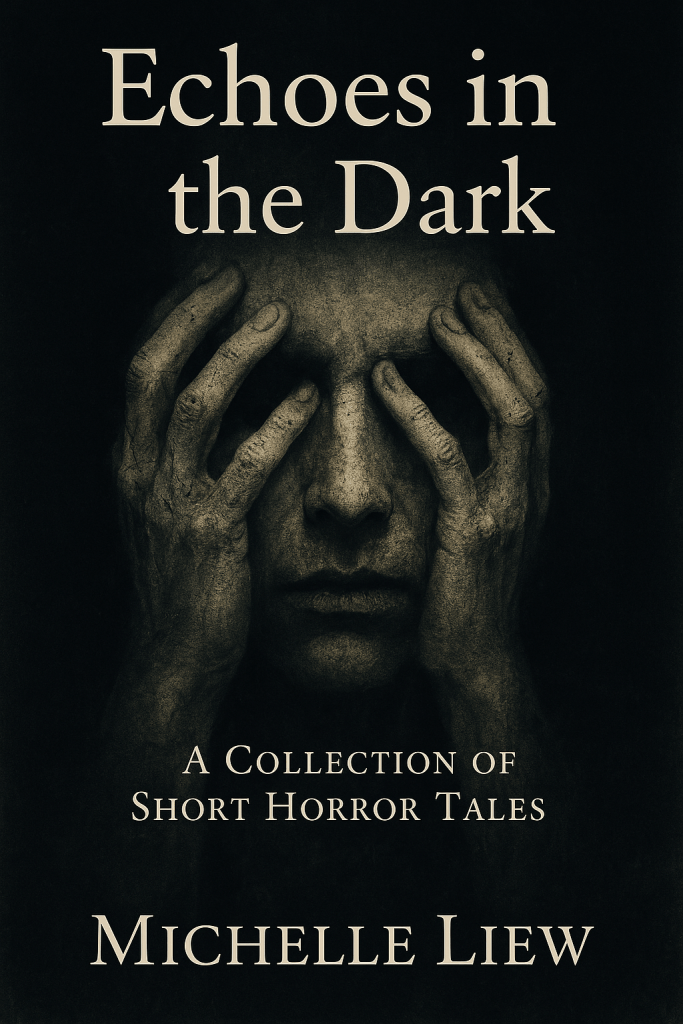
Please find a book of my horror microfiction, Echoes in the Dark, free for download here.
It Rained the Day My Father Died by Steve Anc is a poignant collection of poetry that delves deep into the labyrinth of grief, memory, and the enduring bond between father and child. Anc, a Nigerian poet and Pushcart Prize nominee, offers readers a window into his soul, capturing the rawness of sorrow and the solace found in remembrance.Amazon+2books2read.com+2Amazon+2
The collection, subtitled The Droplets of Grief in the Grave, is more than just a recounting of loss; it’s a meditation on the human condition. Anc’s verses are imbued with a lyrical quality that resonates with anyone who has grappled with the complexities of mourning. His reflections are deeply personal, yet they touch on universal themes, making the reader feel both seen and understood.Goodreads+8Bookshop+8AbeBooks+8
What sets this work apart is its ability to balance the heaviness of grief with moments of levity and hope. Anc doesn’t shy away from the complexities of mourning, but he also highlights the unexpected joys and revelations that can emerge in the aftermath of loss. His poems serve as a reminder that even in our darkest moments, there is light to be found.
For those seeking a book that offers both catharsis and comfort, It Rained the Day My Father Died is a compelling read. It’s a testament to the resilience of the human spirit and the enduring power of love.
Avalon Tower by C.N. Crawford and Alex Rivers is a captivating blend of espionage, magic, and slow-burn romance that kept me hooked from start to finish. The story follows Nia, a bookseller who dreams of a peaceful European vacation but finds herself kidnapped by the enigmatic fey, Raphael. Thrust into the world of Avalon Tower, an elite spy academy, Nia discovers latent magical abilities and navigates a treacherous landscape of rivalries and forbidden attractions.Goodreads+6Book Delico+6Amazon+6
The authors masterfully crafts a narrative that intertwines the allure of Arthurian legends with the intensity of a spy thriller. The dynamic between Nia and Raphael is electric, filled with tension and unspoken desires. Nia’s journey from an ordinary bookseller to a formidable spy-in-training is both relatable and inspiring, showcasing her resilience and wit.
The academy setting is richly detailed, with gothic halls and ancient traditions that add depth to the story. The challenges Nia faces, both physical and emotional, are portrayed with authenticity, making her growth throughout the novel genuinely satisfying.Book Delico+1Goodreads+1
For fans of fantasy romance and stories that delve into the complexities of power, identity, and love, Avalon Tower is a must-read. It’s a tale that lingers long after the final page, leaving you eager for the next installment in the Fey Spy Academy series.
If you like this story, do join me on Patreon! Buy this blog a coffee — it keeps the words flowing and the lights on! ☕Your kind donation via Paypal would be greatly appreciated!
Please find a book of my horror microfiction, Echoes in the Dark, free for download here.
The only person you need to prove yourself to is yourself.
🌹🌹🌹🌹🌹🌹🌹🌹🌹🌹🌹🌹🌹🌹🌹🌹🌹🌹🌹🌹🌹🌹🌹🌹🌹🌹🌹
Snow White blinked as she stared at herself in the mirror.
The reflection within blinked as it stared hard at her.
“Your Stepmother never said that you were beautiful,” it droned. “You were never smart. You wouldn’t have succeeded in trumping her if it wasn’t for those seven dwarves, ” it sneered. “You’re just a pretty face.”
👸👸👸👸👸👸👸👸👸👸👸👸👸👸👸👸👸👸👸👸👸👸👸👸👸👸👸
Just before vanishing, Snow White’s reflection paused, steadying itself.
“I wanted my stepmum’s approval.
But since I couldn’t get it, I found joy without it, and the support of my dwarf friends. Is it wrong to love myself?”
🪞🪞🪞🪞🪞🪞🪞🪞🪞🪞🪞🪞🪞🪞🪞🪞🪞🪞🪞🪞🪞🪞🪞🪞
The reflection slowly emerged, stepping through the glass. Its skin was off-white. Its lips—red, but slightly chapped.
Its raven hair? Black, but slightly straggly.
It was flawed, but free.
As for Snow White’s dead stepmother’s test?
“I pass.” It grinned.
👸👸👸👸👸👸👸👸👸👸👸👸👸👸👸👸👸👸👸👸👸👸👸👸👸👸👸
🍎🍎🍎🍎🍎🍎🍎🍎🍎🍎🍎🍎🍎🍎🍎🍎🍎🍎🍎🍎🍎🍎🍎🍎🍎🍎🍎🍎🍎🍎
If you like this story, do join me on Patreon! Buy this blog a coffee — it keeps the words flowing and the lights on! ☕Your kind donation via Paypal would be greatly appreciated!
Please find a book of my horror microfiction, Echoes in the Dark, free for download here
If you like this story, do join me on Patreon! Buy this blog a coffee — it keeps the words flowing and the lights on! ☕Your kind donation via Paypal would be greatly appreciated!
Please find a book of my horror microfiction, Echoes in the Dark, free for download here
Time was of the essence. Wen had to deliver the message…Serangoon’s resistance safe house would be a bloodbath if he failed.
Wen’s path was a minefield of suspicion and stealth. The matchbox the young Singaporean courier carried not just firestarters–it cradled resistance.
Wen’s package was a coded message, with the matchbox as its envelope. He tiptoed through Syonanto’s deserted streets, eyes canvassing the darkness—alert, trained, unblinking.
The crumbling bell tower. The dark, imposing abode of a fallen Japanese soldier—one whose comrades couldn’t locate after Syonato’s initial invasion. Even spirits had borders…Wen knew that he was about to cross one.
⚔️🔪🗡️⚔️🔪🗡️⚔️⚔️🔪🗡️⚔️🔪🗡️⚔️⚔️🔪🗡️⚔️🔪🗡️⚔️⚔️🔪🗡️⚔️🔪🗡️
“Banzai! Banzai!” Wen’s head snapped around. Up ahead was the Kempeitai–the Japanese secret police, ready to keep Singapore’s wayward citizens in check.
Wen’s athletic legs carried him behind the church ruins and into a trash can—he didn’t mind reeking of half-eaten dinners and stale fish if it meant staying alive.
The sounds of the Kempeitai faded, and Wen slowly drew himself out of his stench-filled hiding spot.
Only to duck behind a pillar–
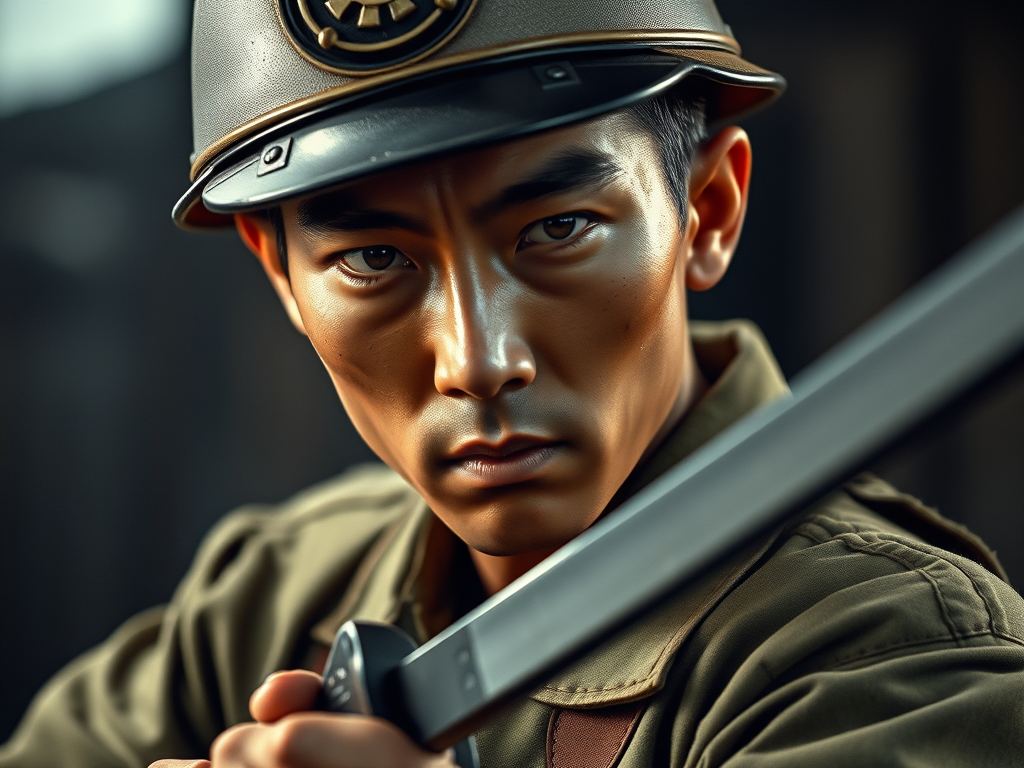
at the unmistakable click-clack of boots. The cold clang of a bayonet, dragging across the hall. Standing in plain sight was a Japanese soldier–eyes pale and yellow, his uniform soaked in crimson spectral blood.
Wen took tentative steps back, ready to sprint–but the soldier’s actions rooted him to his spot. He did not lunge; he held his bayonet and slowly, but steadily traced a map into the dust.
A map–of a hidden tunnel…
The dead do not speak, but sometimes direct. With yellow eyes boring into Wen, he pointed to the bell tower.
⚔️🔪🗡️⚔️🔪🗡️⚔️⚔️🔪🗡️⚔️🔪🗡️⚔️⚔️🔪🗡️⚔️🔪🗡️⚔️⚔️🔪🗡️⚔️🔪🗡️
In war, even the enemy becomes a compass. The sharp young boy followed the tunnel to a cache, cleverly concealed under discoloured wooden floorboards. One filled with food, necessities and even radio parts.
He turned to thank the ghost–but he had vanished, leaving no trace.
Wen scrambled out of the tunnel to join his resistance comrades–to find himself in a smoke-filled clearing. Torched by the very same diabolical Kempetai petrol he had escaped.
⚔️🔪🗡️⚔️🔪🗡️⚔️⚔️🔪🗡️⚔️🔪🗡️⚔️⚔️🔪🗡️⚔️🔪🗡️⚔️⚔️🔪🗡️⚔️🔪🗡️
Note: Japan, an Axis power during the Second World War, occupied Singapore from 1942 -1945, renaming her ‘Syonanto” or Land of the Rising Sun. During this wartime period, they employed various means of controlling the population, including the secret police, or Kempetai.
The rest, as they say, is history.
Original story by Michelle Liew. AI tags are coincidental.
If you like this story, do join me on Patreon! Buy this blog a coffee — it keeps the words flowing and the lights on! ☕Your kind donation via Paypal would be greatly appreciated!
Please find a book of my horror microfiction, Echoes in the Dark, free for download here
Turn off the charm tap when it overflows! – Michelle Liew
🐝💛🐝🐝🌼🐝🐝🌿🐝🐝🐝💛🐝🐝🌼🐝🐝🌿🐝🐝
A dandy named Cyrus McDill
Grew stately atop a small hill.
She bees thought him sweet
Swarmed him, head to feet
He continued to flirt with them still.
🐝💛🐝🐝🌼🐝🐝🌿🐝🐝🐝💛🐝🐝🌼🐝🐝🌿🐝🐝
They covered him, petal to stem
“O Cyrus! You’re such a gem!”
He fled with a frown
Right out of his town
And learned not to dress such in the glen.
🐝💛🐝🐝🌼🐝🐝🌿🐝🐝🐝💛🐝🐝🌼🐝🐝🌿🐝🐝
Cyrus began a bee farm
No frills, but it ran like a charm
He sought the she bees
They flew there as they pleased
Out of the way and buzzed without harm.
🐝💛🐝🐝🌼🐝🐝🌿🐝🐝🐝💛🐝🐝🌼🐝🐝🌿🐝🐝
🐝💛🐝🐝🌼🐝🐝🌿🐝🐝🐝💛🐝🐝🌼🐝🐝🌿🐝🐝
If you like this story, do join me on Patreon! Buy this blog a coffee — it keeps the words flowing and the lights on! ☕Your kind donation via Paypal would be greatly appreciated!
Please find a book of my horror microfiction, Echoes in the Dark, free for download here.
Chloe flung the door to room 721 open, eager to rest her blister-ridden legs on an available bed. It was usually not easy to get anything past her–sharp as a tack, she’d actually noticed that 721 wasn’t on the booking list. But she was simply too jet-lagged to care. The bellhop’s lacklustre posture said it all–it probably wasn’t a great room, but sufficient for a night’s needed shuteye.
“No record of your booking, ma’am, but there’s a key waiting.” He paused, and eyed her keenly. “That room isn’t usually booked–but always seems to have a guest.”
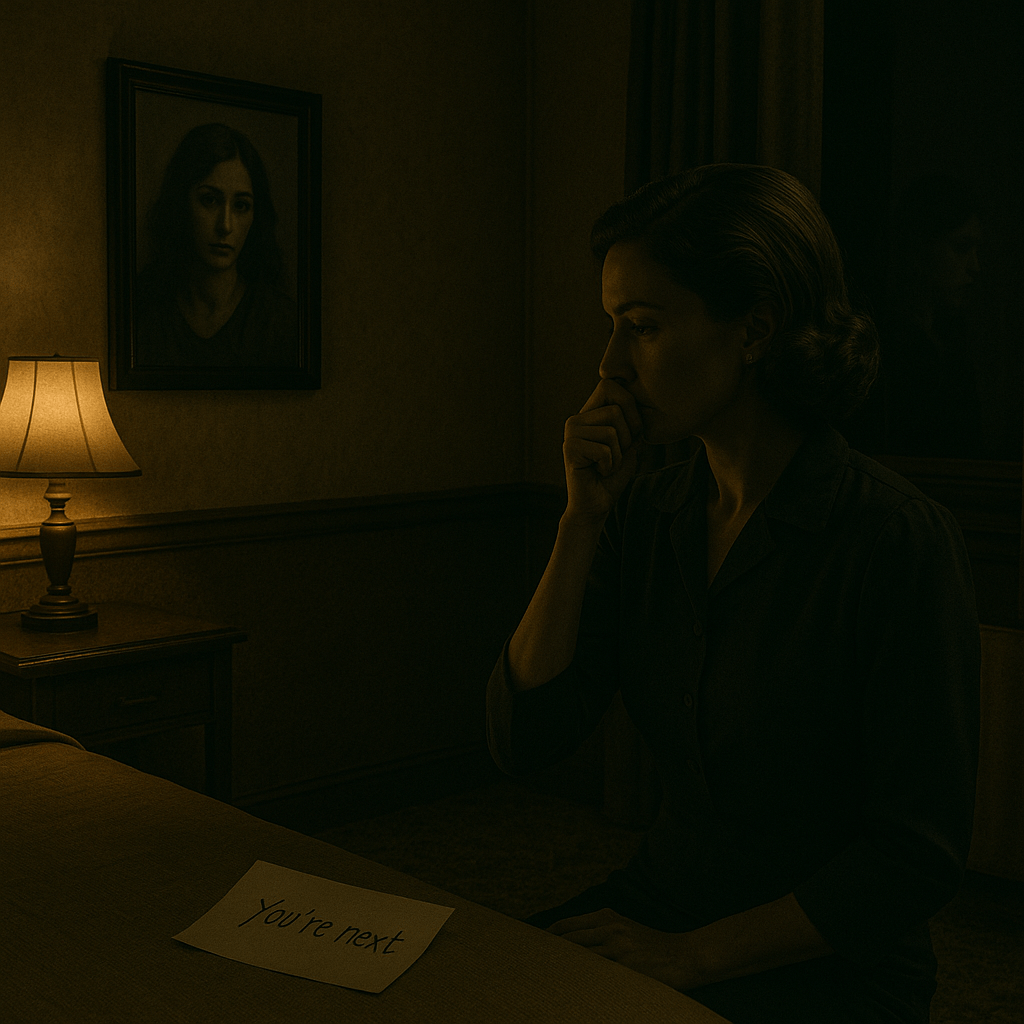
The lights of 721 were starved of electricity–the yellow light wasn’t possible to read by. A musty, old carpet reeked of cigarette smoke–Chole covered her nose with her hand. A photo of a woman caught her eye–she had grief etched in her gaze. She stared out the hotel room’s window, her thoughts flooding her dark cavern with misplaced echoes.
Exhaustion won. The intrepid journalist was far too tired to bother about the room’s habitation standards. Her head touched the pillow…and something changed.
When she woke, she wasn’t in bed. But in the photo.
Her hand, unmistakable, holding the camera. The flash must have gone off.
The camera sat on her chest when she woke, humming softly.
And a note. Fluttering loosely. “You’re next.” Was scribbled in backward ink.
She couldn’t remember penning the smudged detail…but it was hers.
Chloe grabbed the room key and stuffed her overnight clothes into her bag, hands groping everywhere. Her feet rushed her to the receptionist’s desk.
“Hi Miss, do you want a room?” The receptionist on duty was the same as the night before.
Eyes wide open, she placed the room key on the desk. The receptionist flipped it over to check the tag. “Miss, did you take the wrong key? There’s never been a Room 721.”
Chloe grabbed her bag and turned to leave—and her eyes caught sight of a Bulletin Board with photos: “Missing guests of Room 721–for archival. Do not reassign.”
Among them was one–of her. Taken years earlier, at the beach, just before the Tsunami hit.
🚪🔑🚪🔑🚪🔑🚪🔑🚪🔑🚪🔑🚪🚪🔑🚪🔑🚪🔑🚪🔑🚪🔑🚪🔑🚪🔑🚪🔑🚪🔑🚪🔑🚪
🚪🔑🚪🔑🚪🔑🚪🔑🚪🔑🚪🔑🚪🚪🔑🚪🔑🚪🔑🚪🔑🚪🔑🚪🔑🚪🔑🚪🔑🚪🔑🚪🔑🚪
If you like this story, do join me on Patreon! Buy this blog a coffee — it keeps the words flowing and the lights on! ☕Your kind donation via Paypal would be greatly appreciated!
Please find a book of my horror microfiction, Echoes in the Dark, free for download here.
This story is entirely original. AI tags are coincidental.
If you like this story, do join me on Patreon! Buy this blog a coffee — it keeps the words flowing and the lights on! ☕Your kind donation via Paypal would be greatly appreciated!
Please find a book of my horror microfiction, Echoes in the Dark, free for download here.








 The Getting Literal Writing Alcove