Harold had a unique talent—he mimicked traits to perfection. An eyelift, a glance, twitch of the eyebrow–once he did so, the habit was his to keep.
At first, they were just harmless party tricks. He got his thrills from a musician’s singing ability, an artist’s hand, a mathematician’s logic. He didn’t take anything of apparent value, just qualities that made people what they were.
Then, he thought—what if he reshaped himself? The possibilities were endless. He got greedy. His next victim was a locksmith who could fashion any key.
No one cared at first—he took only invisible things. One night, he imitated a woman’s stutter.
With it came the teasing behind his back. The hidden laughter. The slow diminishing of confidence.
A lone candle flickers in an abandoned study, its wax gathering in a pool on the rosewood table. Layers of dust shroud the room, undisturbed for years. A tattered journal lies open on the table, its yellowed pages filled with frantic script. The air is dense with something intangible—not just with time and dust, but with a presence unseen.
Historian Bob Thorne and his wife, in search of the perfect abode, come across the rustic wonder.
The rooms were vacant, its halls silent—but it was inviting.
They come across the journal, resting in wait on the study table. The words should have faded over the two decades that anyone was last seen in the room—but the ink was gleaming, wet beneath the candlelight.
Bob thumbed eagerly through its yellowed pages. The entries seemed run-of-the-mill, nondescript at first—daily reflections and complaints about the heat.
Until his fingers stopped at a page dated 50 years earlier. Fifty years of silence, pierced by a page that should not have existed. The ink was fresh, as if penned only moments earlier.
A draft crept through the room, although its windows were completely sealed. Bob’s eyes hovered over the final entry quickly, wanting to reach its end—but prompted Bob to freeze. Dated that day, the journal documented his movements, sentence by finely penned sentence, as though unseen eyes were watching.
The writer of that entry never meant for anyone to read it. But now that Bob had, he understood why.
The candle flickered violently; there was a shadow on the wall, not its own. It shifted, morphing into a shape so distended that Bob fell back.
The journal’s pages slowly turned on their own, with a new line:
You are not alone.
Bob felt it—a cold, chilling breath creeping down his neck. The breath of another person in the room. Unseen.
He stumbled back, his heart hammering in his chest, with the flame becoming—taller. Extending. Coming closer to him.
The ink bled onto the journal’s page, forming words not there before. Darkness swallowed Bob whole, and a whisper came from the place he least expected–his own mind.
Lina’s fingers wound around the photograph, clutching it. Hard. She couldn’t get past the resemblance. The man in the photo. Future Eric.
But how?
The air in the apartment had never been warm, but it was now ice in her lungs.The cold clenched her troat. Her eyes widened, pupils dilating, as Eric stared at the picture without a word. His tiny fingers caressed its aged surface. Slow. Deliberate. Almost reverent.
A little too lovingly.
He shouldn’t have known that face. Shouldn’t have any idea who it was. But his eyes darkened–they were too old for a child’s.
Then he whispered softly:
“I remember now.”
It was not his voice. Not entirely.
************************************************
The little boy started to speak–unclearly.
About things he shouldn’t have known. He described his mother’s room, how she laughed–how she bawled ceaselessly when they “came for her.” His voice sounded far away, as if he was recalling a dream.
“She begged them not to take me,” Eric murmured. “But they don’t listen.”
His voice shifted, as though two of him were speaking at once. One was the little boy in front of her–the other was someone ancient. Menacing.
The baby monitor came to life again. This time, the whispering wasn’t far away–it was right next to her ear.
She stumbled back. The closet door gaped open, like a ravenous mouth, spilling shadows into the room. A breath of cold air rushed out of it, along with a scent of damp earth and something–rotten. Eric didn’t look at her anymore. He was looking past her.
************************************************
Lina grabbed Eric, ready to run–but the little boy resisted.
He smiled a smile that was a mix of innocence and knowing.
“Mom.” His voice was a soft plea and a commanding threat. “She’s here.”
Then, her name. In urgent, resounding whispers. “Sophie Lew. Sophie Lew.”
They rose, becoming deafening–“SOPHIE LEW!”
The photograph in her grasp had changed. It was no longer Eric, but a grainy picture of her–Sophie.
Screams. Her screams.
The closet slammed shut.
************************************************
Lina shook the six-year-old awake. But he never remembered anything.
The once-angry scratches on his arms were gone. In dawn’s light, something seemed different.
The apartment felt–lighter. The whispers had stopped. But the silence was worse.
Her missing person file was now–empty. She, Sophie, was free. As if someone had taken her place.
************************************************
Lina’s breath came in punctured gasps. She backed away from the file, hands quivering. The truth pressed down on her, a heavy stone slab. Wrapping her. Suffocating.
She had answers to who the missing girl was– but she did not want to believe them.
Eric stretched, rising from bed. As if nothing had happened. “Mom, what’s wrong?”
She tried to speak, but her throat ran dry. She stared at Eric, open-mouthed. She had no words.
And the apartment was quiet. Too still.
Then, the baby monitor came to life. Dissonant, but familiar.
Lina swiveled, and Eric was standing in front of her, his eyes wide.
But his lips were not moving.
************************************************
If you like more of such content, do visit me on Patreon for more exclusive posts!
The apartment would have put most tenants off– flickering lights, a musty odour that clung to the air, and shadows that slithered across corridors.
But for single mother Lina Crew, content wasn’t an option–only survival. With her bank account nearly empty and six-year-old Eric to support, a cheap rental like this was all she could afford. Besides, all she wanted–and needed–was a fresh start.
They settled in as best they could, clinging to the promise of some stability after a bruising custody battle. To the relief of the financially-stretched but dedicated mother, he began to make friends.
Perhaps too many. Some…were wrong.
Muffled whispers came from his room. Lina thought nothing of it and let them be; they were nothing but harmless playdates and sleepovers.She didn’t want to be the sort of mother who appeared at her son’s bedroom door in the middle of the night.
Then one night Eric murmured: “The girl in the closet doesn’t like darkness.”
The whispered voices grew louder, bolder. Darker. As if they were not just speaking, but waiting.
Eric’s complaints grew like repeated recordings; soft scratching, like nails clawing desperately on wood, behind the walls. The closet opening and closing. Lina still dismissed them as child’s play. The busy mother always threw herself onto the sofa after a long day, falling asleep in front of him.
Time passed, and young Eric became a mere shell of himself. Odd, rake-like scratches appeared on his arms. His arms, once plump and full of energy, now hung limp. Cold. He stopped talking.
The rakish marks finally caught Lina’s divided attention. Muffled whispers came over the baby monitor one midnight, and she raced to Eric’s room. The little boy was fast asleep.
But the closet door stood ajar. Open, a fraction of an inch– she knew that she had closed it herself.
As if inviting her to explore.
And so she did. But that was all it was–a closet, albeit old, dank and dark.
The scratches on Eric’s arms were becoming deeper, more blood seeping from them with each passing day. She pushed her way into her landlord’s office.
“Ma’am, I don’t think there’s anything to fret over” He waved his arms and pushed her to the door. “Besides, the apartment’s ancient….hey, you knew that when you rented it.”
She found herself at the town library, fingers flicking through countless records in desperation.
A young girl, Sophie, had lived in the apartment decades ago–but had vanished. Her parents had appeared on television, hollow-eyed, grief wrapping them like a second skin.
Clipped behind the the torn pages of the news clipping was another photo- a yellow grainy picture of a man whose sunken eyes stared.
Straight at Lina.
Her throat caught. The man in the photograph was an older version of Eric. The same pale features, the same haunted demeanor.
Lina’s pulse raced as she slammed the file shut. Was the past was talking to her son?
Then Eric’s voice: “Mom, who’s that?”
If you like more of such content, do visit me on Patreon for more exclusive posts!
Sturdy pillars. Salt of the Earth. Being either is a tall order as one responds to a dicey situation, when emotions run high.
And so, we try to be stoic. Being rational, sensible, and unguided by emotions takes much skill, which I admit to having little of.
But why should we be stoic? Stoicism builds resilience as we accept what we cannot change. It also builds self-discipline. It nurtures and allows one to grow, and we learn to be content as we let go of what we cannot control.
And what does it take to be a proverbial pillar of salt? Thoughtfulness, acceptance, resilience, rationality and virtue.
And as we try to be pillars of salt for those we love, let’s enjoy this little sonnet.
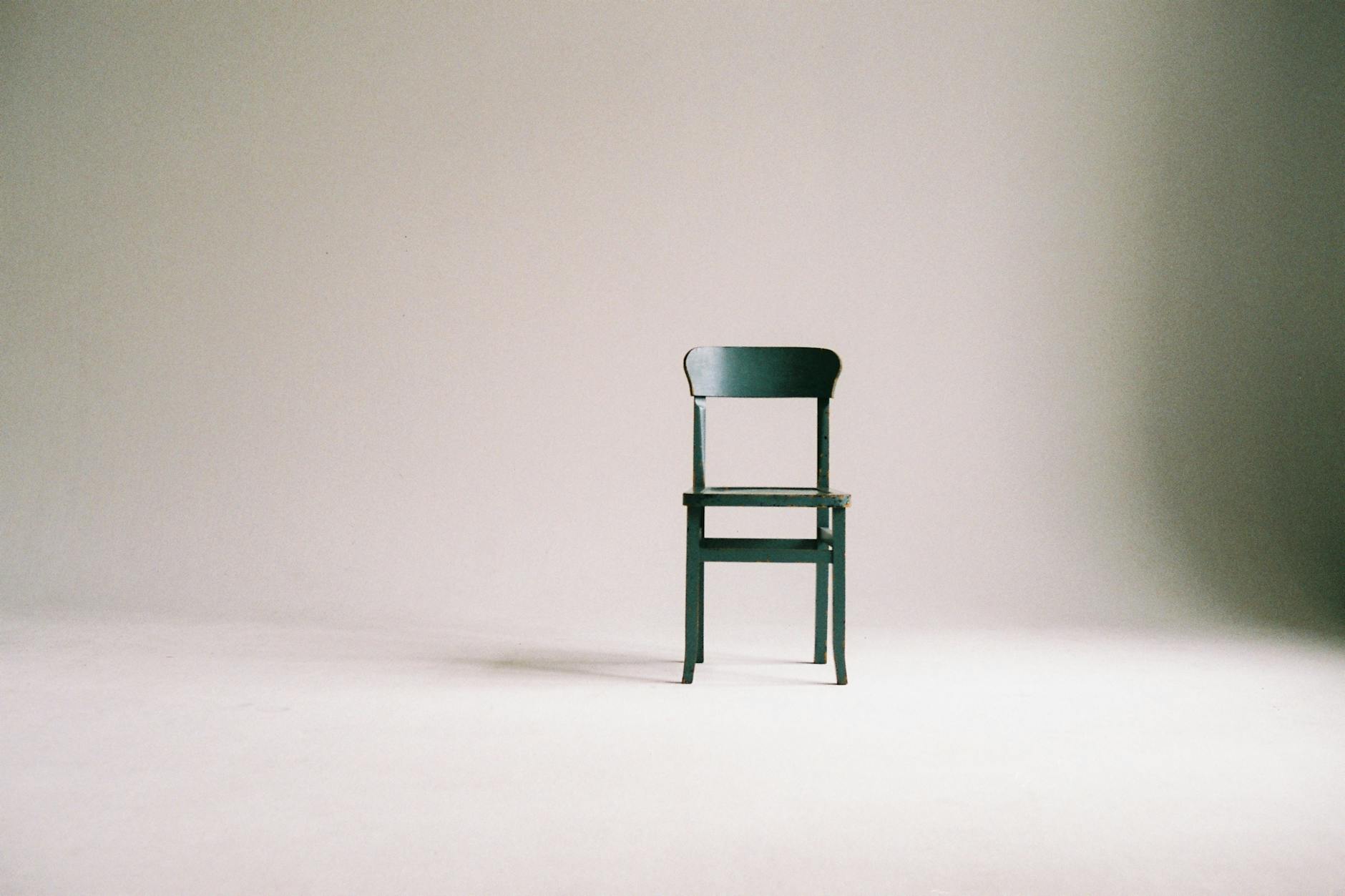
Many of us can relate to the childhood game of musical chairs. The objective of the game is to find a seat among the chairs laid out in the room before the music finishes. The loser of the game is left standing and excluded from other rounds of the game.
No one wants to be the loser left standing, of course. Feeling excluded or ostracized is shattering, troubling, and for want of a better description, unjust.
The big question: How do we respond when others leave us standing? Try to empathize with the situation – perhaps others left us out unintentionally. Remember that it’s alright to feel hurt because all feelings are valid. And then it’s time to nurse the heart – set boundaries within which we can heal.
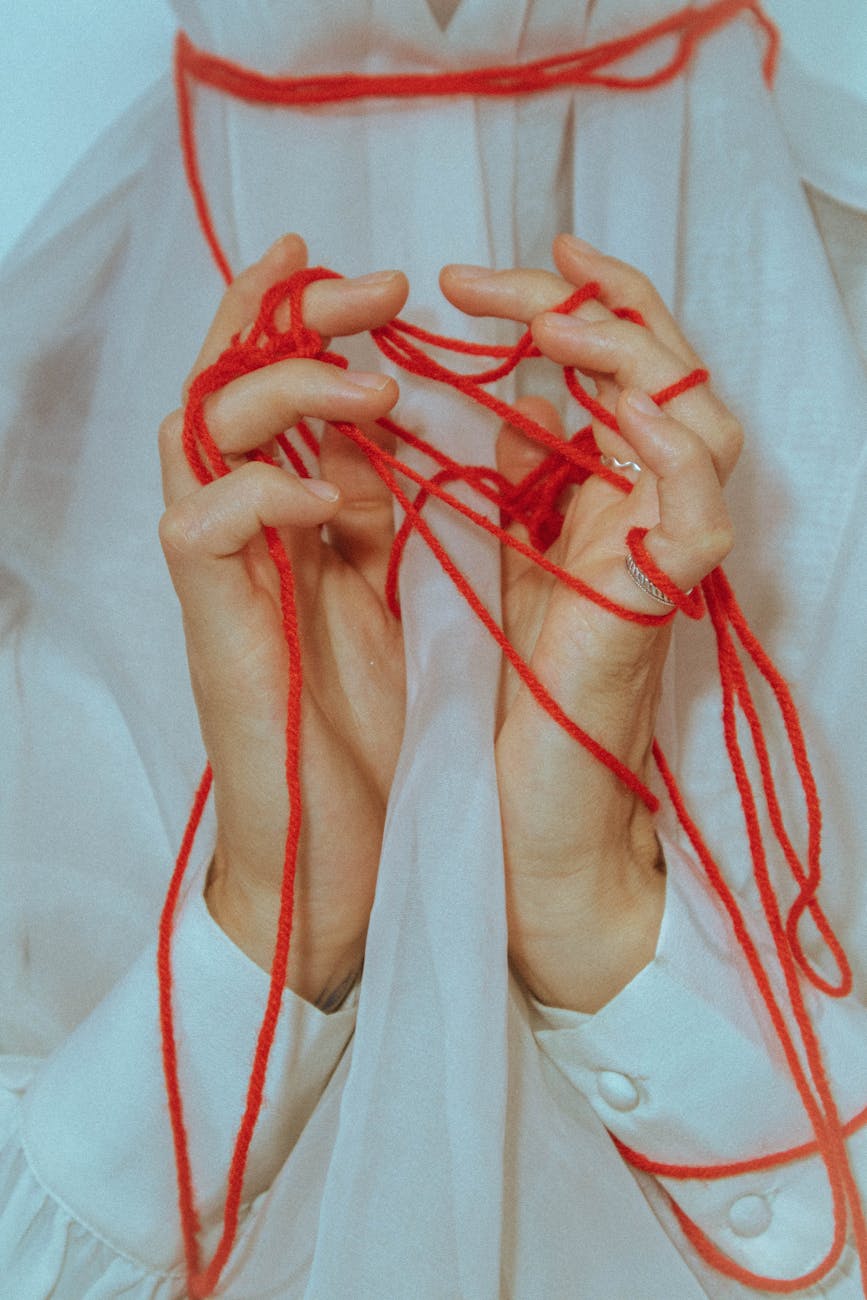
With life being a constant race full of distractions and instant gratification, our thoughts become knotted. Staying focused is akin to untangling a ball of yarn; making sense of messy thoughts is challenging indeed.
Knotted thoughts have lasting, sometime unpleasant consequences. Our productivity decreases. Stress levels increase. We make poor decisions, forget crucial details, and cannot communicate clearly.
To untangle a knotty or dishevelled ball of yarn, we’d have to know what we want to accomplish. We’d have to put away what’s causing us to lose focus on the yarn and stay aware of what we are doing. Enjoy these tankas.
Everyone reaches the crossroads in their lives. These discomfiting entities appear more than once, when we least expect them, and leave us grappling with indecision.
While crossroads sometimes leave us dealing with heavy consequences, they are also opportunities for growth. They give us the chance to break free of old
mindsets and present opportunities for positive change.
Still, we must navigate them, something that’s hard to do because it entails knowing which road to walk on what we reach the cross junction. They cause us to accept alternatives that we were uncomfortable with and take us out of our comfort zones.
Deciding which road to take involves self-reflection. As we deal with this period of introspection, we consider our needs, seek support, and turn to the road that resonates most with us.
Those separating from their roads must consir self-care, be adaptable to new ideas and adjust expectations when necessary.
Here’s to choosing the right road. Enjoy this sonnet, all.
Setting boundaries around yourself is necessary, especially after a period of emotional heartache. It’s essential to build a fence around yourself while letting go of feelings of resentment.
Boundary building is not just putting up fences and saying, ‘go away, I don’t want to speak to you anymore.’ It’s also crucial to release feelings of hatred or resentment so that you can heal.
Building proper fences that don’t just serve as Fort Knox involves acknowledging our need for a little self-preservation and care. One also needs to respectfully indicate a need for space and enforce consequences e.g. limiting interactions) when necessary.







 The Getting Literal Writing Alcove