The Upstairs Neighbour

We celebrate women who make their own way today, with a little one or two in towβ€”it’s Single Working Women’s Day today.

Being a working man or woman is never easy…being a single parent can exacerbate the pressure.

So we honour the women (and men) who make it through life with grit–and cute, small packages.

πŸ‘»πŸ‘»πŸ‘»πŸ‘»πŸ‘»πŸ‘»πŸ‘»πŸ‘»πŸ‘»πŸ‘»πŸ‘»πŸ‘»πŸ‘»πŸ‘»πŸ‘»πŸ‘»πŸ‘»πŸ‘»πŸ‘»πŸ‘»

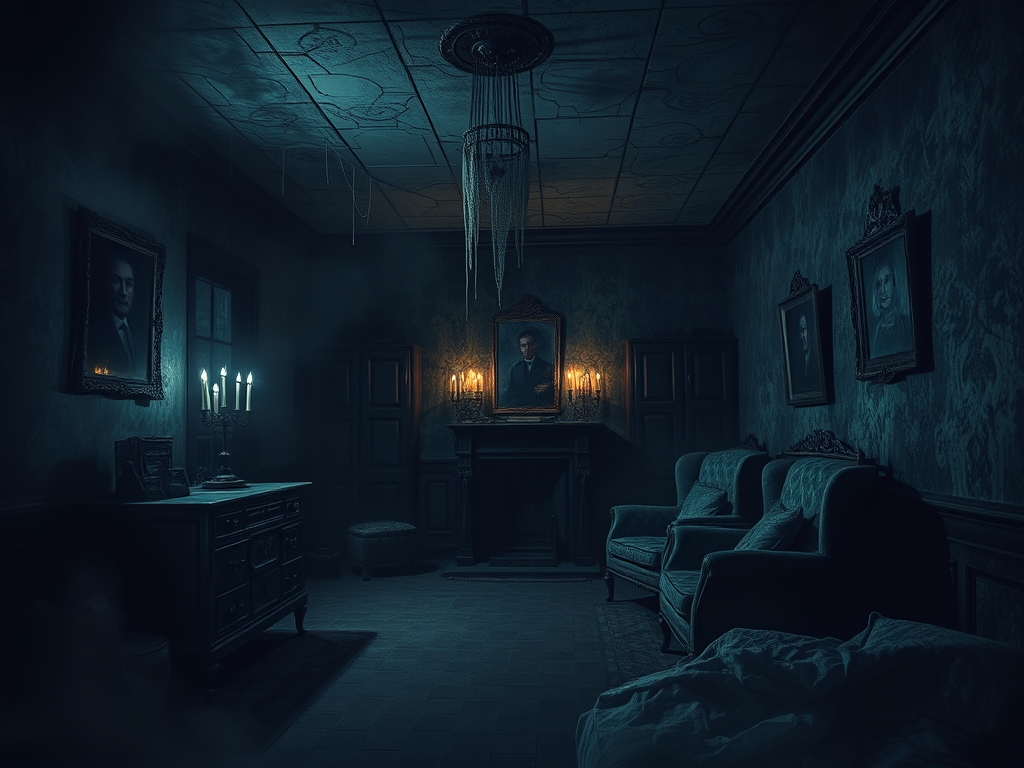
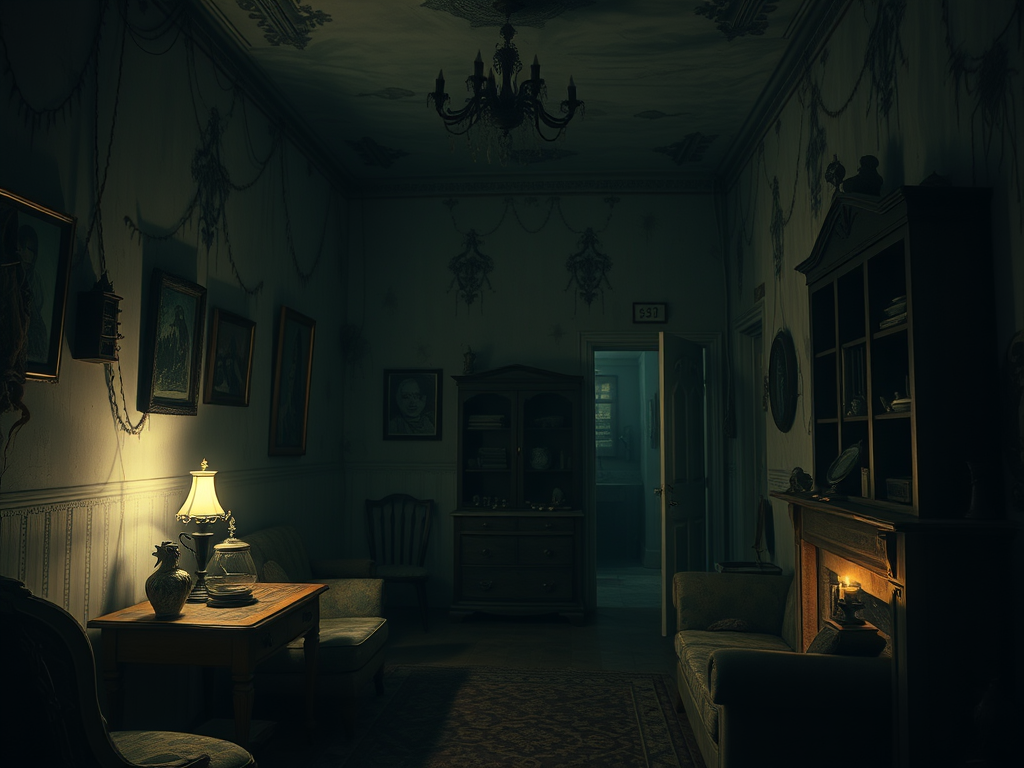
Janine Low’s walk-up apartment was quietβ€”the quiet of the unknown. The park and street in front of it were lifeless sketches on a canvas: they waited for human additions.

But it at least prevented the procrastination monster from growlingβ€”the silent surroundings brought the overworked HR executive a few hours on the online clock while her six-year-old son, Nicholas, recharged his used-up rambunctiousness with sleep.

Single motherhood in metropolitan Singapore was no walk in the park. The loud groans of the HR inbox competed with Nicholas’ endless skateboarding streaks. She typed while the flat whispered.

And relationships were a gladiator cage for the single mother. Her ex’s constant texts “to talk” about their son were constant battles of the Lows.

Work was worse. Fellow HR executive Maddy couldn’t resist the limelightβ€”the credit-stealing aficionado often told the management about work that had been done before she could.

Then, there was the apartment just above. Vacant. A supposed den of zen – yet something kept her up like Nicholas’ metronome on edge.

πŸ‘»πŸ‘»πŸ‘»πŸ‘»πŸ‘»πŸ‘»πŸ‘»πŸ‘»πŸ‘»πŸ‘»πŸ‘»πŸ‘»πŸ‘»πŸ‘»πŸ‘»πŸ‘»πŸ‘»πŸ‘»πŸ‘»πŸ‘»

Ever the responsible adult single mother, Janine tried to “logic” everything to Nicholas. Chat GPT became her unofficial guru– everything from why flats made noises at night to what happens when children talk to invisible friends.

Busy as she was, she tried to sound out the neighbour upstairs– no one ever did.

At her wit’s end, she approached the building manager.

Another vague reply.

“Oh, her ah.. that apartment…empty since COVID struck. She left…..chiong ah (hurried).

Nicholas didn’t make things much better.

Janine arched over his young shoulder over breakfast one morning. He was occupied by what most 6-year-olds were–stick drawings.

Except that his was–

Of a lady.

Too real.

Janine recognised her at once– she’d never described her to Nicholas.

The lady from the vacant apartment.

The boy merely smiled and looked up.

“She doesn’t like it when you peep.”

Again, childhood fantasy was her comfort rationale.

Until she began to hear noises at night.

Humming.

Ethereal singing.

Footsteps shuffling.

Things started to move.

She left her bedroom slippers turned to the bed- they pointed to the bedroom door in the morning.

It had been locked to prevent Nicholas from skateboard spiralling.

He sketched again the next morning– this time with a caption below the drawing.

“She’s watching.”

Work was a stress bomb that tore her hair out further. Maddy continued her climb up the corporate ladder– kicking the rungs beneath. Her credibility slipped–sleep eluded.

A trusted colleague, Lisa, pulled her aside in the bathroom.

“Hey, is everything all right? You’re looking pale. It’s not just stress is it?”

πŸ‘»πŸ‘»πŸ‘»πŸ‘»πŸ‘»πŸ‘»πŸ‘»πŸ‘»πŸ‘»πŸ‘»πŸ‘»πŸ‘»πŸ‘»πŸ‘»πŸ‘»πŸ‘»πŸ‘»πŸ‘»πŸ‘»πŸ‘»

Things that would go wrong did.

Printers jammed.

Another proposal vanished.

She thought of the humming she’d heard.

It sounded faintly like–

A lullaby.

From her childhood.

Nicholas brought her another drawing that night.

Her jaw dropped.

One of–

Herself.

With the lady upstairs holding her shoulder.

But the single mother didn’t let that faze her. Something was bleeding through.

And she needed to stem it.

πŸ‘»πŸ‘»πŸ‘»πŸ‘»πŸ‘»πŸ‘»πŸ‘»πŸ‘»πŸ‘»πŸ‘»πŸ‘»πŸ‘»πŸ‘»πŸ‘»πŸ‘»πŸ‘»πŸ‘»πŸ‘»πŸ‘»πŸ‘»

Janine was exhausted–not by stress, but by the unknown pressing down on her and Nicholas.

She couldn’t just ignore what was happening.

She needed someone’s ears–Lisa’s, the building manager’s–even her ex-mother-in-law’s–but wasn’t sure which would hear–

Without setting off alarm bells that wouldn’t stop ringing.

She plucked up whatever courage she still had and crept upstairs.

Through the dank and darkened corridors of an untouched floor.

The door to the empty apartment was as expected–dust-covered, with paint chipped in too many places. An old shrine stood near it–the tenant hadn’t cleared the altar before she passed–

In the home.

With trembling fingers, she tapped it gently.

No one answered.

She was about to turn away when a whisper pierced the still air.

“Janine…”

A soft click.

Something moved.

A note. Slipped under the doormat.

“Beware….of IT?”

Before she couldn’t figure out what IT meant, the note dissolved–

Into nothing.

She kept typing the word “it” in the document she was working on at work the next day–she couldn’t help herself.

πŸ‘»πŸ‘»πŸ‘»πŸ‘»πŸ‘»πŸ‘»πŸ‘»πŸ‘»πŸ‘»πŸ‘»πŸ‘»πŸ‘»πŸ‘»πŸ‘»πŸ‘»πŸ‘»πŸ‘»πŸ‘»πŸ‘»πŸ‘»

Then, strange happenings.

In her favour.

Every time Maddy tried to claim her credit, the CC chain would vanish.

Each time she vented about cancelled leave, the system would auto-approve hers.

It seemed like a trade-off with the unknown–one that made her cringe.

But something sparked.

IT was PRIDE. A compelling force.

That stopped the need–

to ask.

πŸ‘»πŸ‘»πŸ‘»πŸ‘»πŸ‘»πŸ‘»πŸ‘»πŸ‘»πŸ‘»πŸ‘»πŸ‘»πŸ‘»πŸ‘»πŸ‘»πŸ‘»πŸ‘»πŸ‘»πŸ‘»πŸ‘»πŸ‘»

She returned to the apartment that night–

The door was ajar.]

The home felt warm. Strangely welcoming.

On an old table was a sketch of Nicholas–smiling.

Next to him was herself. Calm. A proud mother.

Back at work, she found that Maddy had done the unthinkable–tendered her resignation.

She deleted the word “it” from her working document.

And it retyped.

“I heard, ah.”

The sign off.

“Your neighbour, Ho Kwee (friendly ghost). “

πŸ‘»πŸ‘»πŸ‘»πŸ‘»πŸ‘»πŸ‘»πŸ‘»πŸ‘»πŸ‘»πŸ‘»πŸ‘»πŸ‘»πŸ‘»πŸ‘»πŸ‘»πŸ‘»πŸ‘»πŸ‘»πŸ‘»πŸ‘»

If you like this story, do join me on Patreon! Buy this blog a coffee β€” it keeps the words flowing and the lights on! Your kind donation via Paypal would be greatly appreciated!

Please find a book of my horror microfiction, Echoes in the Dark, free for download here.

The Day the Ocean Texted

This story is a response to the alerts following the Tsunami that struck Russia’s Kamchatka Peninsula yesterday.

A response to the need to tackle climate change.

Listen–when it calls.

🌊🌊🌊🌊🌊🌊🌊🌊🌊🌊🌊🌊🌊🌊🌊🌊🌊🌊🌊🌊

The 2035 oceans were a crystal blue–watchful, ready to lap over unsuspecting coastal dwellers at a moment’s notice.

The waves had stopped their sentient whispers–ones they had sent out decades ago, when they had fallen on closed ears.. Now, they sent frenzied alerts.

About them drawing far back–gathering breath. Low tide came with blinking mobile screens, their owners’ soft skins still caressed by the sun.

🌊🌊🌊🌊🌊🌊🌊🌊🌊🌊🌊🌊🌊🌊🌊🌊🌊🌊🌊🌊

Maia couldn’t hear the tide–she mapped waves and tide lines by touch and the skills of a well-honed nose.

The cartographer made up for what she couldn’t hear with a trait only she had–she knew the ocean.

She smelled sea salt long before waves appeared.

Its texts haunting vibrations on glass.

Their instructions.

Their warnings.

Which none heeded when she gave them.

Pish.

Tosh.

Their inane static was her countdown.

🌊🌊🌊🌊🌊🌊🌊🌊🌊🌊🌊🌊🌊🌊🌊🌊🌊🌊🌊🌊

She got up on July 30th to the ping of another cryptic text.

Grainy and wavy.

“7 breaths left.”

The subtle threat pushed her to carve it it driftwood. Power was fading; cell towers were losing their stability.

The words weren’t prophecy–just the result of poor carbon footprints on the beach.

Higher ground.

She ran to it–not to escape, but to heed.

🌊🌊🌊🌊🌊🌊🌊🌊🌊🌊🌊🌊🌊🌊🌊🌊🌊🌊🌊🌊

A wait of ten hours. Then, a seismic shift beneath 30 feet of water.

The sea bellowed. Then pulled back.

Hermit crabs crawling for their lives on a too-vast shore.

Then–they stuck.

Overwhelming the people Maia’s village, all in mid-prayer.

All swept away–clutching salt-screened phones.

The message: “Zero breaths. Tag. You’re it.”

There was a final ping that filtered through the clouds:

“You did not listen.”

🌊🌊🌊🌊🌊🌊🌊🌊🌊🌊🌊🌊🌊🌊🌊🌊🌊🌊🌊🌊

Ten years later, in a classroom built on high ground, children examined a piece of driftwood during a science lesson.

It was hot–three degrees hotter than a decade earlier.

The teacher held up the driftwood.

“Does anyone remember Maia?”

A raised hand.

Tentative.

“Wasn’t she the cartographer who tried to tell our village about the Tsunami of 2004? It swallowed the village. No one listened.”

Then, a few whispers in the class.

” She smelled the wave before it crashed.”

Outside, a figure, unseen.

A fingertip pressed against a glass window.

The teacher’s screen pings–faintly.

“You heard–remember.”

Maps work–read them.

🌊🌊🌊🌊🌊🌊🌊🌊🌊🌊🌊🌊🌊🌊🌊🌊🌊🌊🌊🌊

If you like this story, do join me on Patreon! Buy this blog a coffee β€” it keeps the words flowing and the lights on! Your kind donation via Paypal would be greatly appreciated!

Please find a book of my horror microfiction, Echoes in the Dark, free for download here.

The Turnstile

Treasure the moments–before they are gone.

πŸš‡πŸš‡πŸš‡πŸš‡πŸš‡πŸš‡πŸš‡πŸš‡πŸš‡πŸš‡πŸš‡πŸš‡πŸš‡πŸš‡πŸš‡πŸš‡πŸš‡πŸš‡πŸš‡πŸš‡πŸš‡πŸš‡πŸš‡πŸš‡πŸš‡

It was a typical July afternoon in Singapore–the sort that smelt like Kopi O and a crowded train platform.

50-year-old Deanna Ling stood in place in front of the turnstile in the MRT station.

Her fingers still held warmth from her breakfast coffee, but the world around her was–

Frigid.

A moving wave of blank stares that was too cold.

She was a statue in a city that ran on milliseconds–everything moved faster than her breathing.

Her ticket wouldn’t scan–it had anchored her to the platform.

It had worked before. Before the call.

Perhaps she had tapped it a second–

Too slowly.

The turnstile gate beeped.

Again.

And again.

And again.

The line of people behind her lengthened-weaving, a line of blurred faces that refused to stop.

The light on the turnstile blinked. And the world blinked faster than the throbbing in her head.

πŸš‡πŸš‡πŸš‡πŸš‡πŸš‡πŸš‡πŸš‡πŸš‡πŸš‡πŸš‡πŸš‡πŸš‡πŸš‡πŸš‡πŸš‡πŸš‡πŸš‡πŸš‡πŸš‡πŸš‡πŸš‡πŸš‡πŸš‡πŸš‡πŸš‡

The scenes outside the train’s windows swapped from tree to building–the Flash was running circles around them.

The whirl was a series of too-quick pants blowing in Deanna’s ears.

The train was breathing too quickly–moving too fast for her to align with its steps.

She sat in her seat, unable to move a muscle. It had left her seat– and her–behind.

The crowd in the train gathered around her, a whirlpool moving in nanoseconds.

Someone dropped a bao. No passenger noted. It disappeared faster than it hit the ground.

The train stopped.

Inertia lingered–for just a second.

A quick sigh of air, then…

A human tsunami made its way through the door.

πŸš‡πŸš‡πŸš‡πŸš‡πŸš‡πŸš‡πŸš‡πŸš‡πŸš‡πŸš‡πŸš‡πŸš‡πŸš‡πŸš‡πŸš‡πŸš‡πŸš‡πŸš‡πŸš‡πŸš‡πŸš‡πŸš‡πŸš‡πŸš‡πŸš‡

Then–mental negatives.

Herself, in the hospital room.

The doctor’s words were a verbal blur–like the scenery outside her train.

Her mother, on a bed. Her pacemaker had stopped.

Never restarted.

They moved to the operating theatre–too fast for tears to form.

She walked out carrying her mother’s coat. Not her mother.

Her ribs gave in. She melted onto the floor.

πŸš‡πŸš‡πŸš‡πŸš‡πŸš‡πŸš‡πŸš‡πŸš‡πŸš‡πŸš‡πŸš‡πŸš‡πŸš‡πŸš‡πŸš‡πŸš‡πŸš‡πŸš‡πŸš‡πŸš‡πŸš‡πŸš‡πŸš‡πŸš‡πŸš‡

The next human wave rushed in, along with a decibel crash.

Over her.

Someone jostled her up.

“Are you alright?” A quick whisper.

She nodded. The train had to move.

She rose, in pieces.

But able to stand.

Her legs couldn’t work. The crowd did it for her.

And it kept going.

So did she–faster than her tears.

πŸš‡πŸš‡πŸš‡πŸš‡πŸš‡πŸš‡πŸš‡πŸš‡πŸš‡πŸš‡πŸš‡πŸš‡πŸš‡πŸš‡πŸš‡πŸš‡πŸš‡πŸš‡πŸš‡πŸš‡πŸš‡πŸš‡πŸš‡πŸš‡πŸš‡

If you like this story, do join me on Patreon! Buy this blog a coffee β€” it keeps the words flowing and the lights on! Your kind donation via Paypal would be greatly appreciated!

Please find a book of my horror microfiction, Echoes in the Dark, free for download here.

The Dining Room

Today is Wine and Cheese day– the perfect day to celebrate our guilty pleasures.

So it is that we tell a story in its honor.

Where there is wine and cheese, a critic won’t be far behind- and he will learn– when it comes to serving judgment, time will come to taste.

πŸ·πŸ§€πŸ·πŸ§€πŸ·πŸ§€πŸ·πŸ§€πŸ·πŸ§€πŸ·πŸ§€πŸ·πŸ§€πŸ·πŸ§€πŸ·πŸ§€πŸ·πŸ§€πŸ·πŸ§€πŸ·πŸ§€πŸ·πŸ§€πŸ·

Le Caveau de Minuit was a picture of ordinariness– a restaurant situated in the misty hills of a forgotten European Village bearing a name that Lisette couldn’t pronounce. The village with no name was spartan– few houses, few people, and even fewer chances to do what Lisette loved most of all– taste testing at restaurants.

Ordinary.

Maddening.

She arrived in front of the ruined door of the restaurant, ready to wield her critique’s knife and fork. She had seen and heard about such restaurants many times before– unseen guests making themselves at home at tables, floorboards that creaked under the weight of the invisible, and curtains that shut in synchrony, an eerie orchestra performing for no audience.

“There’s no fear that a good brie can’t cure.” she consoled herself, taking a tentative step through the door.

But it was small consolation. Fit to eat?

She wasn’t sure.he arrived in front of the ruined door of the restaurant, ready to wield her critique’s knife and fork. She had seen and heard about such restaurants many times before– unseen guests making themselves at home at tables, floorboards that creaked under the weight of the invisible, and curtains that shut in synchrony, an eerie orchestra performing for no audience.

πŸ·πŸ§€πŸ·πŸ§€πŸ·πŸ§€πŸ·πŸ§€πŸ·πŸ§€πŸ·πŸ§€πŸ·πŸ§€πŸ·πŸ§€πŸ·πŸ§€πŸ·πŸ§€πŸ·πŸ§€πŸ·πŸ§€πŸ·πŸ§€πŸ·

She strode with confident cynicism into the sparse dining room. At the long dining table, its edges hewn and uneven, sat a motley crowd of three.

Three oddities.

Each looked-

Grave.

Yet the restaurant was no stranger to wine pairing. Pairing had been done– each of these guests sat with tailored wine and cheese.

Tailored to their quirks.

In front of Mavis was cheese–

Broken. Her wine looked–

Sour. Rancid.

The wine next to Barry was covered with film.

Unwanted froth. The cheese was like the words he spoke–

Tough.

Not chewable.

Samantha sat with wine that was–

Sweet.

Too saccharine.

And the cheese with her was–

Faux.

A sample put in a display case.

Lisette wasn’t left out. Her wine was a smoky red. Her cheese?

Veined blue.

That bled.

Ever so slightly.

The sommelier provided service– with a cryptic difference.

He spoke in riddles that an unamused Lisette dared not decipher.

The establishment had an owner– one whose presence was felt rather than seen.

Oddly felt.

Only whispering through walls.

πŸ·πŸ§€πŸ·πŸ§€πŸ·πŸ§€πŸ·πŸ§€πŸ·πŸ§€πŸ·πŸ§€πŸ·πŸ§€πŸ·πŸ§€πŸ·πŸ§€πŸ·πŸ§€πŸ·πŸ§€πŸ·πŸ§€πŸ·πŸ§€πŸ·

The food came before them, each dish stranger than the last.

A dish of escargot whispered.

“Eat me,” one invited.

Grilled fish moved, writhing in pain.

“I’m burned,” it cried as it announced.

Then the guests themselves began to change.

Mavis began to shatter.

Broken.

Discouraged.

Like her cheese.

Bob’s skin hardened.

Too hard.

Wrinkled.

Flaky.

Like the cheese before him.

A white substance began to cover Samantha– she began to smell

like an overstretched bakery.

Wonderful was covered by icing sugar, way too sweet.

Lisette herself started to develop visions– visions of herself crushing a weakened soul with reviews far from rave.

White film caked her tongue.

It was dried.

Without the softening touch of water.

Her voice developed a second layer.

Too coarse.

Like sandpaper that grated when carelessly used.

πŸ·πŸ§€πŸ·πŸ§€πŸ·πŸ§€πŸ·πŸ§€πŸ·πŸ§€πŸ·πŸ§€πŸ·πŸ§€πŸ·πŸ§€πŸ·πŸ§€πŸ·πŸ§€πŸ·πŸ§€πŸ·πŸ§€πŸ·πŸ§€πŸ·

Lisette recoiled as the cheese in front of her bled.

Her wine hadn’t aged.

It recalled.

The bitter beverage stung the eyes before it hit the tongue.

The cheese?

It was sour, cultured from the chefs whose careers were no more.

Ruined.

By her.

The walls with their endless whispers.

“You’ve crushed.”

“You’ve soured.”

It was the host.

Her angst-ridden soul.

πŸ·πŸ§€πŸ·πŸ§€πŸ·πŸ§€πŸ·πŸ§€πŸ·πŸ§€πŸ·πŸ§€πŸ·πŸ§€πŸ·πŸ§€πŸ·πŸ§€πŸ·πŸ§€πŸ·πŸ§€πŸ·πŸ§€πŸ·πŸ§€πŸ·

Lisette bolted for the door.

Which swung shut.

Locked.

She caught sight of herself in the mirror.

With a sommelier’s apron.

Ill-fitting.

She had to serve.

A new critic.

His arrival?

Looped.

His tongue?

Cutting.

Gaps in the heart that would not close.

Like Lisette’s.

She learned a lesson that all critics someday face–when serving judgment, remember time will come to taste.

πŸ·πŸ§€πŸ·πŸ§€πŸ·πŸ§€πŸ·πŸ§€πŸ·πŸ§€πŸ·πŸ§€πŸ·πŸ§€πŸ·πŸ§€πŸ·πŸ§€πŸ·πŸ§€πŸ·πŸ§€πŸ·πŸ§€πŸ·πŸ§€πŸ·

If you like this story, do join me on Patreon! Buy this blog a coffee β€” it keeps the words flowing and the lights on! Your kind donation via Paypal would be greatly appreciated!

Please find a book of my horror microfiction, Echoes in the Dark, free for download here.

She Smiles And Doesn’t Blink

This day–17 July–is World Emoji Day.

It’s about faces–frozen in planned expression.

It’s all about the masks we wear–

To placate.

To please.

To calm.

But do they placate, please or calm–ourselves?

πŸŽ­πŸ–€πŸŽ­πŸ–€πŸŽ­πŸ–€πŸŽ­πŸ–€πŸŽ­πŸ–€πŸŽ­πŸ–€πŸŽ­πŸ–€πŸŽ­πŸ–€πŸŽ­πŸ–€πŸŽ­πŸ–€πŸŽ­πŸ–€πŸŽ­πŸ–€

Mr. Ding was that constant ghost in the neighbourhood–always smiling, in a suit so well-pressed that irons would heat up in shame. He loomed on one’s memory, like ivy weaving through windows; silent, sudden, impossible to miss. The children spoke of him, unsure whether he was waiting–about the house with lights that flashed dim, dying signals, struggling to keep time.

πŸŽ­πŸ–€πŸŽ­πŸ–€πŸŽ­πŸ–€πŸŽ­πŸ–€πŸŽ­πŸ–€πŸŽ­πŸ–€πŸŽ­πŸ–€πŸŽ­πŸ–€πŸŽ­πŸ–€πŸŽ­πŸ–€πŸŽ­πŸ–€πŸŽ­πŸ–€

The air wrapped its heavy arms around Mr. Ding’s home on Halloween night, but it didn’t seem to have caught the joyfully screaming children on the street.

Still, the lights around his house flickered impatiently, almost aggressively–in slow, twisted time.

Little Liya knocked his front door, driven by candy canes and Hershey’s kisses.

Mr. Ding finally opened it—after a full half hour.

He smiled—in a thin line.

“Trick or treat,” the basket in Liya’s hands trembled.

No candy. He put something else in her hands.

A mask.

“It will keep you safe.” The chill in his eyes didn’t match his smile.

Liya grasped the mask in her hands–one that covered more than she knew

πŸŽ­πŸ–€πŸŽ­πŸ–€πŸŽ­πŸ–€πŸŽ­πŸ–€πŸŽ­πŸ–€πŸŽ­πŸ–€πŸŽ­πŸ–€πŸŽ­πŸ–€πŸŽ­πŸ–€πŸŽ­πŸ–€πŸŽ­πŸ–€πŸŽ­πŸ–€

The air wrapped its heavy arms around Mr. Ding’s home on Halloween night, but it didn’t seem to have caught the joyfully screaming children on the street.

Still, the lights around his house flickered impatiently, almost aggressively–in slow, twisted time.

Little Liya knocked his front door, driven by candy canes and Hershey’s kisses.

Mr. Ding finally opened it—after a full half hour.

He smiled—in a thin line.

“Trick or treat,” the basket in Liya’s hands trembled.

No candy. He put something else in her hands.

A mask.

“It will keep you safe.” The chill in his eyes didn’t match his smile.

Liya grasped the mask in her hands–one that covered more than she knew.

πŸŽ­πŸ–€πŸŽ­πŸ–€πŸŽ­πŸ–€πŸŽ­πŸ–€πŸŽ­πŸ–€πŸŽ­πŸ–€πŸŽ­πŸ–€πŸŽ­πŸ–€πŸŽ­πŸ–€πŸŽ­πŸ–€πŸŽ­πŸ–€πŸŽ­πŸ–€

Liya walked away from Mr Ding’s home, her steps anchored by an unseen weight. Halloween revellers scattered all over the path before her, walking with joy that was–

Off.

Children walked by her without a glance backwards. She was transparent glass to the adults.

And her voice? It wasn’t her own. Her mother acknowledged that with a pale face.

The mask wasn’t in her hands.

She glanced at herself in the hallway mirror.

A shriek that nearly broke it.

She made desperate clutches at her face.

No feeling.

Her smile wouldn’t disappear.

πŸŽ­πŸ–€πŸŽ­πŸ–€πŸŽ­πŸ–€πŸŽ­πŸ–€πŸŽ­πŸ–€πŸŽ­πŸ–€πŸŽ­πŸ–€πŸŽ­πŸ–€πŸŽ­πŸ–€πŸŽ­πŸ–€πŸŽ­πŸ–€πŸŽ­πŸ–€

Halloween returned a year later, with Liya at home.

Her silhouette in the window.

Passersby who looked up walked past faster than their legss would carry them.

She couldn’t move. Wouldn’t– or couldn’t–talk.

But she could smile.

It was the only thing she could do.

Mr. Ding’s home no longer flickered– the pulse of the lights were even.

Satisfied.

There were knocks on Mr. Ding’s door.

Another child. Just a child.

Naively asking for treats.

At least, until Mr. Ding and Liya opened the door.

And Liya held out a tray, the permanent smile stretched across her face.

With a mask that he would wear to placate someone. Please someone. Calm someone.

But not himself.

πŸŽ­πŸ–€πŸŽ­πŸ–€πŸŽ­πŸ–€πŸŽ­πŸ–€πŸŽ­πŸ–€πŸŽ­πŸ–€πŸŽ­πŸ–€πŸŽ­πŸ–€πŸŽ­πŸ–€πŸŽ­πŸ–€πŸŽ­πŸ–€πŸŽ­πŸ–€

If you like this story, do join me on Patreon! Buy this blog a coffee β€” it keeps the words flowing and the lights on! Your kind donation via Paypal would be greatly appreciated!

Please find a book of my horror microfiction, Echoes in the Dark, free for download here.

Snowball and the Conservatory

The loudest words are heard–in silence.

πŸΆπŸ¦΄πŸΆπŸ¦΄πŸΆπŸ¦΄πŸΆπŸ¦΄πŸΆπŸ¦΄πŸ—£οΈπŸΎ πŸΆπŸ¦΄πŸΆπŸ¦΄πŸΆπŸ¦΄πŸΆπŸ¦΄πŸΆπŸ¦΄πŸ—£οΈπŸΎ

Snowball and her owner, Michelle, loved the rustic charm of Weston–the lush, green fields and countless apple orchards made it every little dog’s dream.

And the neighbours. Weston was the sort of town where everyone knew everyone else. Friendship among Westonites was not optional–it was expected.

And so Weston basked in its sameness.

Until Elly, a hard-of-hearing teen, found a letter in her mailbox.

Coded.

In tactile morse.

Pointing her to Room 12, West Conservatory.

Of course, Snowball wanted to get her nose into everything.

Literally.

Tail wagging, she walked up to Elly, who held it limp in her hand.

But the little West Highland Terrier whined—before touching it.

πŸΆπŸ¦΄πŸΆπŸ¦΄πŸΆπŸ¦΄πŸΆπŸ¦΄πŸΆπŸ¦΄πŸ—£οΈπŸΎ πŸΆπŸ¦΄πŸΆπŸ¦΄πŸΆπŸ¦΄πŸΆπŸ¦΄πŸΆπŸ¦΄πŸ—£οΈπŸΎ

“Snowball, fetch.” Snowball, as usual, hid her expert recall skills.

“Hey, you know how to return that! Stop fibbing!” Michelle threw her hands up in the air. “All right, no reward.”

Snowball snuck forward and sat, cocking a contrite ear.

“Well, can’t get angry with you.” Michelle gave the mischievous pup a ruffle.

Their rhythm broke.

Elly.

She approached them, the letter in hand.

Michelle straightened herself, on instant edge.

Elly’s usual off-the-wall demeanour was–

Different.

Her hands were moving faster than an expert typist’s.

And Snowball–well–wasn’t Snowball.

The little dog fixed her gaze on Elly, her tail pointed straight up.

But Elly finally spoke.

“Michelle–I need to find out what’s going on with this.”She waved the letter. News travelled fast around Weston–it had reached Michelle two hours after the fact.

“Can I borrow Snowball? She bristled before I could even show the letter to you. Perhaps she sniffed something I couldn’t feel.”

Determination covered Elly’s face. She wasn’t asking lightly–this was personal.

Michelle drew back and stared, without a word.

At first.

But Snowball went over to Elly and sat by her.

Michelle’s gaze darted from her neighbour to her dog.

Its back arched and tense.

She finally spoke.

“Ok, just for a while.”

The little dog didn’t choose this case. It chose her.

πŸΆπŸ¦΄πŸΆπŸ¦΄πŸΆπŸ¦΄πŸΆπŸ¦΄πŸΆπŸ¦΄πŸ—£οΈπŸΎ πŸΆπŸ¦΄πŸΆπŸ¦΄πŸΆπŸ¦΄πŸΆπŸ¦΄πŸΆπŸ¦΄πŸ—£οΈπŸΎ

Michelle watched Snowball settle beside Elly.

But the little dog wasn’t sitting right.

Snowball wasn’t–relaxed.

Michelle knew it wasn’t her paranoia.

It was gut instinct.

She stepped forward, taking the letter from Elly’s shaking hands.

She read it, wordless.

After a while, she looked up.

“I know something about this. I’m so sorry the conservatory fire took your grandfather.” She continued, carefully. “You’re not the first in Weston to go looking for answers. But something there shouldn’t be–woken.”

She paused.

“Westonites say someone left the fire–quietly. Your grandad–” She placed a gentle hand on Elly’s shoulder–“Might have known something he shouldn’t.”

She continued.

“Room 12 is now locked. I know you need answers. Take Ball with you.”

The little dog looked up at her in acknowledgement.

“But if she starts barking–RUN.”

πŸΆπŸ¦΄πŸΆπŸ¦΄πŸΆπŸ¦΄πŸΆπŸ¦΄πŸΆπŸ¦΄πŸ—£οΈπŸΎ πŸΆπŸ¦΄πŸΆπŸ¦΄πŸΆπŸ¦΄πŸΆπŸ¦΄πŸΆπŸ¦΄πŸ—£οΈπŸΎ

The West Conservatory was a mass of burnt ruins.

Fenced off.

Broken vines.

Rotting wood–a foul scent.

Snowball and Elly crept in and were greeted by burnt walls and warped metal.

On the floor was sheet music, half-melted.

Room numbers on the charred oak doors were visible–barely.

The girl and dog sensed that the building hadn’t just burned.

It wanted.

Room 12 wanted.

Closure hadn’t touched it–yet.

πŸΆπŸ¦΄πŸΆπŸ¦΄πŸΆπŸ¦΄πŸΆπŸ¦΄πŸΆπŸ¦΄πŸ—£οΈπŸΎπŸΆπŸ¦΄πŸΆπŸ¦΄πŸΆπŸ¦΄πŸΆπŸ¦΄πŸΆπŸ¦΄πŸ—£οΈπŸΎ

Elly and Snowball stepped in front of Room 12’s half-hinged door.

She gripped the door handle.

Inside was a charred piano–the odour of burnt wood assailed her nostrils. On top of it sat a box labelled–

For Songbird.

Someone had addressed it–to her.

She pried the tactile morse lid open. Inside was a reel recorder. A taped confession.

Snowball snarled.

Guttural.

Low.

πŸΆπŸ¦΄πŸΆπŸ¦΄πŸΆπŸ¦΄πŸΆπŸ¦΄πŸΆπŸ¦΄πŸ—£οΈπŸΎπŸΆπŸ¦΄πŸΆπŸ¦΄πŸΆπŸ¦΄πŸΆπŸ¦΄πŸΆπŸ¦΄πŸ—£οΈπŸΎ

Fingers shaking but brave, Elly pressed the recorder button.

Soft, measured footsteps.

A tape-recorded message.

“You were never meant to find this. But somehow, I hoped you would.”

In front of them stood an older man, his hand scarred. His face, half-burnt, bore no recognition of Elly.

But he did know Snowball.

He faced the dog.

Snowball bared her teeth.

“You should have stayed out of this.” He waved a knife in front of the little Westie.

It hit Elly.

The knife.

The voice.

The scar.

Grandpa’s killer.

Bob Greene, the conservatory’s main conductor.

His green eyes couldn’t ignore her Grandad’s success with the conservatory’s students.

The fire was not about silence–it was about secrets.

Elly placed the recorder within hearing reach.

She recalled Michelle’s warning.

“If she barks….”

πŸΆπŸ¦΄πŸΆπŸ¦΄πŸΆπŸ¦΄πŸΆπŸ¦΄πŸΆπŸ¦΄πŸ—£οΈπŸΎπŸΆπŸ¦΄πŸΆπŸ¦΄πŸΆπŸ¦΄πŸΆπŸ¦΄πŸΆπŸ¦΄πŸ—£οΈπŸΎ

Snowball barked–she wasn’t friendly.

Michelle’s warning rang louder in Elly’s head.

She ran to the door.

Snowball stayed, growling. She slowly approached the man.

“You were never meant to find this…”

πŸΆπŸ¦΄πŸΆπŸ¦΄πŸΆπŸ¦΄πŸΆπŸ¦΄πŸΆπŸ¦΄πŸ—£οΈπŸΎπŸΆπŸ¦΄πŸΆπŸ¦΄πŸΆπŸ¦΄πŸΆπŸ¦΄πŸΆπŸ¦΄πŸ—£οΈπŸΎ

The tape-recorded message triggered the sprinkler system–set by Elly’s grandpa.

It left an escape route–just for her–and a very wet Greene.

She’d heard the truth.

πŸΆπŸ¦΄πŸΆπŸ¦΄πŸΆπŸ¦΄πŸΆπŸ¦΄πŸΆπŸ¦΄πŸ—£οΈπŸΎπŸΆπŸ¦΄πŸΆπŸ¦΄πŸΆπŸ¦΄πŸΆπŸ¦΄πŸΆπŸ¦΄πŸ—£οΈπŸΎ

Elly darted out of the conservatory, soaked but safe. Snowball shook off the sprinkler’s water, the daylight creating rainbow hues within each droplet.

Elly was pale.

But resolute.

Nearby was Michelle–waiting for them, face worried.

The two girls exchanged glances–wordless, but ripe with meaning.

A shared secret.

A shared protector.

Snowball.

The dog that knew what no one else did.

Snowball rested her head in Elly’s lap.

The loudest barks are heard–in silence.

The Room Above

Da Xiang had all been forgotten–an obscure village tucked away in Pulau Udang’s remote woods. As if someone had grown the trees to seal it off.

The forests of Pulau Udang were dense.

Dark.

Morose areas of troubled vegetation–except for a colonial terrace, once clothed in European grandeur.

Its walls were now lined with overgrown bougainvillea, its rooms–the room–cages of grief.

Trauma therapist Clara Lum’s own trauma still left mental scars. Scars left by the room in the abode of affluence–that she had not discussed with anyone for 18 years.

Then, her mother passed.

Clara knew that the past didn’t rest until faced and buried. And doors, though familiar, never opened the same way twice.

That pulled her back to the house–home remembered differently.

Perhaps better. Perhaps not.

🏚️🏚️🏚️🏚️🏚️🏚️🏚️🏚️🏚️🏚️🏚️🏚️🏚️🏚️🏚️🏚️🏚️🏚️🏚️🏚️🏚️🏚️🏚️🏚️🏚️🏚️🏚️🏚️🏚️🏚️

Planning to sort out the nitty gritty of the estate’s matters, Clara reluctantly moved in. 

But she avoided the room upstairs.

The room.

Until the third night, when she finally heard a familiar, but unwanted hum.

Carina’s lullaby.

She opened the room door a tiny crack. The things inside were just as she left them 18 years earlier–two made beds, a shared diary, and a window, still ajar.

But the status quo didn’t remain.

She searched for her therapist’s notes before a meeting one afternoon and found them.

Not unusual.

Except they were covered in blood.

And in the bathroom attached to the room where she slept, a second toothbrush.

She fell asleep, though not without tossing and turning.

A familiar little girl appeared in her dreams.

Laughing.

Then, a voice she’d heard before–and never wanted to again.

Repetition in its cruellest form.

It was a reckoning—a homecoming in disguise.

🏚️🏚️🏚️🏚️🏚️🏚️🏚️🏚️🏚️🏚️🏚️🏚️🏚️🏚️🏚️🏚️🏚️🏚️🏚️🏚️🏚️🏚️🏚️🏚️🏚️🏚️🏚️🏚️🏚️🏚️

Clara entered the room again the next dayβ€”not by choice.

She found herself there.

Awake.

Ten years earlier, with HER in it.

With Carina.

But her sister’s eyes wereβ€”Wrong. Unseeing.

“Let’s play again. But now, you’ll hide.”

Mouth rounded in a silent scream, she backed towards the door.

But the scene before her shifted.

Reset.

“Let’s play again. But now, you’ll hide.”

There was no window. No door.

It wasn’t dΓ©jΓ  vuβ€”A loop.

A trap.

Made by Carina.

Clara wasn’t coming home.

She was a substitute.

🏚️🏚️🏚️🏚️🏚️🏚️🏚️🏚️🏚️🏚️🏚️🏚️🏚️🏚️🏚️🏚️🏚️🏚️🏚️🏚️🏚️🏚️🏚️🏚️🏚️🏚️🏚️🏚️🏚️🏚️

Clara left the house. 

Without Carina in it. 

Just a blank, upstairs room.

She never returned. 

She didn’t need to. 

In her therapist practice, a new patient. 

With features too similar. 

Her sister had died, breathless, in a crawlspace.

Because she didn’t help her out.

Refused to.

She had been too angry.

She smiled faintly at her new patient.

The new patient’s name?

What else.

She fixed an empathetic gaze on young Clara, her new patient. 

The girl was morose.

Quiet, refusing to speak.

But Clara the adult sensed that her young charge had the potential to break free.

To redeem.

“Let’s discuss how it felt to be in the same house with Carina a second time…”

🏚️🏚️🏚️🏚️🏚️🏚️🏚️🏚️🏚️🏚️🏚️🏚️🏚️🏚️🏚️🏚️🏚️🏚️🏚️🏚️🏚️🏚️🏚️🏚️🏚️🏚️🏚️🏚️🏚️🏚️

If you like this story, do join me on Patreon! Buy this blog a coffee β€” it keeps the words flowing and the lights on! Your kind donation via Paypal would be greatly appreciated!

Please find a book of my horror microfiction, Echoes in the Dark, free for download here.

The Note Swiper

For those who read The Boy Who Stored Goodbyes in a Box, you’ll remember Boon, the Little Boy who tucked away goodbyes and memories in a box like treasures.

He’s now grown into Detective Boon –a sensitive, empathetic sleuth who doesn’t flinch from a little grit.

This story does deal with a few gritty issues –not too much, but enough to matter.

The lost-and-found corner in Khaji Primary School reeked of deliberately forgotten odours- discarded, unwashed lunchboxes; soiled, smelly tees; textbooks climbing to the ceiling with success

But the room wasn’t all foul odour and disappointment. Miss Lina, the school’s custodian, had placed a Kindness Box where children could leave encouragement and thank you notes.

But kindness kept going…missing.

Notes mysteriously vanished, day by day.

“Chum ah(Oh dear in Hokkien),” a flustered Miss Lina nearly turned upside down herself in her search.

The last straw was a note that read “You matter”.

It vanished.

Like the person never did.

She summoned the police–and something sharp and small arrived.

It clinked.

The musical sound.

Of glass.

“A boy named Boon…stored goodbyes in a box…”

Detective Boon strapped on a pair of forensic gloves, combing the trash like treasure.

The little glass box of goodbyes was married to him –he carried it everywhere in his knapsack.

Khaji Primary still smelled the same –like over ripe banana–as it did years earlier.

The missing notes of kindness were sticky notes that would not detach.

He noticed a peculiar piece of paper, its edges torn.

“You mat…” The rest was jagged scrap.

That nettled Boon…like the missing goodbyes that vanished with those who meant.

“Jia lat…(Terrible) who would stick a knife like that?”

That torn note was the last straw for the Singaporean gumshoe.

It vanished.

Like the person never did.

She summoned the police–and something sharp and small arrived.

Boon’s mind flooded with notes from his Goodbye Box–small. large. tattered. torn.

He felt each at the tips of his forensic-gloved fingers.

But this stood out.

“You matter.”

Compassion bordered in gold, in bubbled handwriting.

It was for her.

The flower by the classroom isle.

The punches.

The crying.

The catcalls.

“Chio Bu (pretty girl in Hokkien).

The video –1000 views within five minutes of its release.

That note was NOT written in erasable ink.

It mattered.

And he had to find it.

A trail of torn paper Boon noticed at the corner of his eye gave him a start.

He followed it to the school’s storeroom.

Where he found the missing pieces and letters of the note scattered on the floor.

The room’s occupant –Ah Tan.

The school’s janitor.

Boon didn’t confront him –directly.

He waited.

School had to be over.

He sat in Tan’s chair, swivelling it until the janitor appeared.

He didn’t speak to the man. There was a simple note on the table.

“You can’t tear what she needed others to hear.”

Ah Tan unfolded it. The old man unfolded it, hands trembling.

He looked frail. More than boon remembered.

“Boon…I only took the ones I wished you all had written for me. I cleaned for you.”

Boon placed an arm on his shoulder.

Boon returned to Khaji Primary School a few weeks later.

Miss Lina had put out the Kindness Box again. It overflowed with Post-Its.

A smaller glass box sat next to it.

No label.

Inside, parts of a small note, combined with sticky tape.

The “It” had changed.

She mattered.

The Vacant Chair

The nondescript youth centre was where Jia wanted to work –understated, with angsty youth who needed a hand-up, not a handout.

The 33-year-old counsellor had her work cut out for her. The knives below her underprivileged charges’ feet made them bare their teeth; budget cuts made designing revolutionary programs near impossible; staff came into the workspace bleary-eyed and walking on tenterhooks.

In fear of what, Jia couldn’t understand. She stared at the vacant workspace before her.

But one name always surfaced.

Elaine.

Elaine had been the counsellor before her, now painfully absent.

The Counsellees’ favourite, not least because —

she connected.

No photos of her, no files. Her desk was empty, save for a poster board filled with Post-It notes with her signature motivational quips, the handwriting on it cursive.

Rounded.

Heartfelt.

An empty chair remained, rooted –like a full-stop no one dared to position.

πŸͺ‘πŸͺ‘πŸͺ‘πŸͺ‘πŸͺ‘πŸͺ‘πŸͺ‘πŸͺ‘πŸͺ‘πŸͺ‘πŸͺ‘πŸͺ‘πŸͺ‘πŸͺ‘πŸͺ‘πŸͺ‘πŸͺ‘πŸͺ‘πŸͺ‘πŸͺ‘πŸͺ‘πŸͺ‘πŸͺ‘πŸͺ‘πŸͺ‘πŸͺ‘πŸͺ‘

The first few days at the centre were an emotional tidal wave for Jia. Her teen charges wanted another Elaine –her handwriting. Listening ears.

Heart.

They spoke of her as if she still graced the community centre’s halls —

“She told me my silence still meant.”

Elaine was not cut from the typical counsellor’s cloth. She didn’t talk at them –she talked with them. She did things that mattered.

She knew their phone numbers at the back of her hand.

She used nicknames.

She let them draw on the table with erasable ink –to vent.

She let them sit under desks —

To cry.

When they needed space.

She was a counselling welterweight –impossible to overlook.

Desperate to live up to expectations, Jia scoured through employment records –but no Elaine.

The teen’s stories didn’t match.

She was a heavy whisper –invisible but felt.

πŸͺ‘πŸͺ‘πŸͺ‘πŸͺ‘πŸͺ‘πŸͺ‘πŸͺ‘πŸͺ‘πŸͺ‘πŸͺ‘πŸͺ‘πŸͺ‘πŸͺ‘πŸͺ‘πŸͺ‘πŸͺ‘πŸͺ‘πŸͺ‘πŸͺ‘πŸͺ‘πŸͺ‘πŸͺ‘πŸͺ‘πŸͺ‘πŸͺ‘πŸͺ‘πŸͺ‘

One of the centre’s regulars, Khai, had visited after hitting his mother –she had just told him about the divorce.

But it was Counsellor Jia.

Not Elaine.

Jia froze, tongue-tied.

A frazzled Khai stormed out of the room.

She sat behind her desk in the office, face wet, sobs almost strangling her.

She felt the community centre and its charges slipping through her fingers.

She remained behind her desk after everyone left, furiously typing.

“Dear Mr. Lim,

It has been a pleasure working for you. However, the teenagers who come here need someone…they know.”

She couldn’t help the ellipsis.

She later returned to the counselling room, eager to collect her counselling materials.

She didn’t find them —

Not at first.

In their place was Elaine’s chair.

With a sticky note attached.

Addressed to Khai.

“The quiet ones may not speak. But they listen. And hug.”

Dated –the next day.

πŸͺ‘πŸͺ‘πŸͺ‘πŸͺ‘πŸͺ‘πŸͺ‘πŸͺ‘πŸͺ‘πŸͺ‘πŸͺ‘πŸͺ‘πŸͺ‘πŸͺ‘πŸͺ‘πŸͺ‘πŸͺ‘πŸͺ‘πŸͺ‘πŸͺ‘πŸͺ‘πŸͺ‘πŸͺ‘πŸͺ‘πŸͺ‘πŸͺ‘πŸͺ‘πŸͺ‘

She paid the director of the community centre a much-needed visit.

But not to resign.

“Mr. Lim,” Jia raised her voice –a few decibels above its usual pitch. “I need the truth.”

He glanced at Elaine’s chair for a long moment.

“Alright, young lady. I know these last weeks have been tough –we do have a handful here. You deserve to know.”

He paused.

For a long while.

“You see, there was –is — has never been an Elaine. We created her to encourage the kids, to give them someone to believe in.

“Each time she was to conduct a session, one of us would try to do something quirky –to help them connect with us. With themselves.”

He paused again.

“The kids began to create their images of her. Then, she became everything.”

Jia dropped her files.

πŸͺ‘πŸͺ‘πŸͺ‘πŸͺ‘πŸͺ‘πŸͺ‘πŸͺ‘πŸͺ‘πŸͺ‘πŸͺ‘πŸͺ‘πŸͺ‘πŸͺ‘πŸͺ‘πŸͺ‘πŸͺ‘πŸͺ‘πŸͺ‘πŸͺ‘πŸͺ‘πŸͺ‘πŸͺ‘πŸͺ‘πŸͺ‘πŸͺ‘πŸͺ‘πŸͺ‘

Mr. Lim’s revelation stayed with Jia –all night.

She tossed and turned beneath her blankets.

But the lightbulb lit.

Elaine was not a fraud –she was hope. A name given to comfort in the worst moments. To build needed courage.

Jia didn’t erase her. But she did pen stickies –in Elaine’s signature rounded cursives.

She placed them under desks, in bags, under books.

From Elaine.

And one day, she received one.

Taped to her chair.

On it: “With love, from someone who needs to learn.”

Elaine –now Jia, was Care. When no one else could be.

πŸͺ‘πŸͺ‘πŸͺ‘πŸͺ‘πŸͺ‘πŸͺ‘πŸͺ‘πŸͺ‘πŸͺ‘πŸͺ‘πŸͺ‘πŸͺ‘πŸͺ‘πŸͺ‘πŸͺ‘πŸͺ‘πŸͺ‘πŸͺ‘πŸͺ‘πŸͺ‘πŸͺ‘πŸͺ‘πŸͺ‘πŸͺ‘πŸͺ‘πŸͺ‘πŸͺ‘

Elaine’s empty chair remained.

Jia sat in it when she needed her inspiration.

At other times, she left it vacant. Just in case one of the teens needed to find a sticky note on it.

The room was now warm –with her memory.

She still lived, in what she thought.

In what Jia did.

The chair always felt warm.

πŸͺ‘πŸͺ‘πŸͺ‘πŸͺ‘πŸͺ‘πŸͺ‘πŸͺ‘πŸͺ‘πŸͺ‘πŸͺ‘πŸͺ‘πŸͺ‘πŸͺ‘πŸͺ‘πŸͺ‘πŸͺ‘πŸͺ‘πŸͺ‘πŸͺ‘πŸͺ‘πŸͺ‘πŸͺ‘πŸͺ‘πŸͺ‘πŸͺ‘πŸͺ‘πŸͺ‘

Original story by Michelle Liew. AI tags are coincidental.

She Who Barked Once

Based on actual circumstances. Names have been changed.

Beware the website you visit – it may not welcome.

πŸ’»πŸΎπŸ’»πŸΎπŸ’»πŸΎπŸ’»πŸΎπŸ’»πŸΎπŸ’»πŸΎπŸ’»πŸΎπŸ’»πŸΎπŸ’»πŸΎπŸ’»πŸΎπŸ’»πŸΎπŸ’»πŸΎπŸ’»πŸΎ

Tara was a sceptic –the paranormal was more than financial fodder for her blog. The horror junkie combed through bytes of data daily to keep her website thriving –debunking paranormal myths for a living.

The introverted and avid writer had few friends –save for two dogs, Mop and Cloudy. The black-and-white duo kept vigil by her side –Mop calm and loyal, Cloudy, senses tingling.

And so it was on a typical Wednesday afternoon –Tara was drawn by demonologist Lara Chong’s legacy, with Mop and Cloudy perched close by.

Lara Carter’s website opened. Then, a sudden growl.

Mop had turned to face the wall. Typically placid, she growled louder than ever.

Cloudy had joined her, teeth bared, gaze fixed on the same spot.

A photo on the wall tilted at a slight angle –but there was no wind.

Tara’s screen flickered in unseen anger –the air was an iron against her chest.

The snarling went on for a full ten minutes. Then, barking.

Unrestrained.

Angry.

The usually muffled Mop bared her white teeth in a tense snarl. Cloudy’s stretched fully across her face.

They stayed by Tara’s side that day — refusing to leave for dinner.

She slammed the laptop shut and slept with the lights on, nerves in tatters.

The placid black Mop passed some time later. In one of Tara’s dreams, a voice.

Low.

Dissonant.

“Life is always gentle and soft…”

She adopted another black dog, Zorra –but she has never barked like that since.

Tara is still the sceptic –with a twist.

She knows some websites keep. And never opens them.

After all, logic cannot explain the truths tucked away in the heart’s recesses.

πŸ’»πŸΎπŸ’»πŸΎπŸ’»πŸΎπŸ’»πŸΎπŸ’»πŸΎπŸ’»πŸΎπŸ’»πŸΎπŸ’»πŸΎπŸ’»πŸΎπŸ’»πŸΎπŸ’»πŸΎπŸ’»πŸΎπŸ’»πŸΎ

If you like this story, do join me on Patreon! Buy this blog a coffee β€” it keeps the words flowing and the lights on! β˜•Your kind donation via Paypal would be greatly appreciated!

Please find a book of my horror microfiction, Echoes in the Dark, free for download here.