The Stillness Accord

Total stillness. No chaos. No strife. Perfection. That was Peiying, where citizens long embraced the art of calm. The city’s goal? Harmony. Everything was a well-crafted hourglass—life, actions, emotions. Feelings fled like gazelles in the eyes of prey. The pain of loss was nonexistent. Happiness was archaic.

17-year-old Lian, a citizen of neighbouring Harmonia, had secured the ultimate guide to discovering stillness–a state-sanctioned reflection journey to Peiying. The city met his youthful expectations–beautiful, serene, still. But its people seem strangely—distant. There was no joy. No sorrow. Just an odd, stoic vibe that seemed–too precise. Too practised.

       πŸͺ·πŸͺ·πŸͺ·πŸͺ·πŸͺ·πŸͺ·πŸͺ·πŸͺ·πŸͺ·πŸͺ·πŸͺ·πŸͺ·πŸͺ·πŸͺ·πŸͺ·πŸͺ·πŸͺ·πŸͺ·πŸͺ·πŸͺ·

Lian’s youthful feet took her through the centre of Peiying, its skyline well-crafted, as if painted by automation. Buildings were all perfectly shaped, sized, and aligned. Caretakers had given the trees in the park a precise manicure–their leaves were same-sized and aligned, cut by the same mould.

But it wasn’t–right.

A mother in the park sat on a bench, smiling. Her eyes blank as her arms went limp. Her baby slipped. She did not blink. The soft thud of the baby on the floor drew no glances.

In another corner was a group of friends, greeting each other–but in the sing-song hellos between strangers. Intoned, not spoken. Memorized, not meant. People passed her, their expressions unchanged–they seemed to have forgotten how to address the world.

There was no conflict. No argument. But there was also no joy. No laughter.

They were calm. Calm. Still. Soulless.

πŸͺ·πŸͺ·πŸͺ·πŸͺ·πŸͺ·πŸͺ·πŸͺ·πŸͺ·πŸͺ·πŸͺ·πŸͺ·πŸͺ·πŸͺ·πŸͺ·πŸͺ·πŸͺ·πŸͺ·πŸͺ·πŸͺ·πŸͺ·

With the too-structured forms of Peiying’s people weighing heavily on his mind, Lian made his way to the library at the town’s centre. The librarian, without skipping a beat, greeted him with a smile carefully etched on her face. She pointed stoically to the archives as soon as she saw him.

“Welcome to the Republic of Peiying’s library. You’ll find everything about the city documented here.”

The tall, neatly installed bookshelves imposed overwhelmingly–they complemented a city attuned to the idyllic. Books, all the same size, were bound in the same fresh leather. Etched on the librarian’s face was a smile — peaceful, but manufactured.

Unreal.

Peiying was harmonious. Peace reigned with an absolute sceptre. But it was a sceptre that wielded so much control that the city was no longer alive.

πŸͺ·πŸͺ·πŸͺ·πŸͺ·πŸͺ·πŸͺ·πŸͺ·πŸͺ·πŸͺ·πŸͺ·πŸͺ·πŸͺ·πŸͺ·πŸͺ·πŸͺ·πŸͺ·πŸͺ·πŸͺ·πŸͺ·πŸͺ·

On one of the painstakingly aligned bookshelves sat a leatherbound ledger, its contents waiting to wrap a mind in a shocking grip.

And shock Lian they did. One ghastly entry after another.

Mai: “I gave my heart to see the sunset.”

Jun: “My child had my soul–but I cannot feel his heart.”

Mother: ” It was my mind for my child…but her smile never reached her eyes.”

Peiying’s citizens had betrayed their hearts–for peace. It was a Surrender for Desire–each of them had unquestioningly folded their emotions into tightly sealed envelopes, leaving their hearts empty for peace. There was calmness–with endless space. Perfection had led to a life without meaning. No joy. No sadness. Just…blankness.

The city hadn’t crumbled–but its soul had. They found absolute peace—but abandoned life. Stillness—at the cost of emotion, connection and experience.

Peiying had indeed created life–one that was empty.

πŸͺ·πŸͺ·πŸͺ·πŸͺ·πŸͺ·πŸͺ·πŸͺ·πŸͺ·πŸͺ·πŸͺ·πŸͺ·πŸͺ·πŸͺ·πŸͺ·πŸͺ·πŸͺ·πŸͺ·πŸͺ·πŸͺ·πŸͺ·

But the city’s lifelessness had triggered life within Lian. He needed to inject a new existence in Peiying—shatter its numbness.

In a way that teenagers knew how.

The youngster became a one-man rock band, shouting, dancing and singing in the town square, hoping that his monkeyish antics would spark life. He cried. Recalled fond memories.

“You used to hold concerts here in this square. Mothers would push their babies in their prams, cuddling them when they needed comfort. Remember the laughter? It used to fill the park. Soak it with its warmth. Where is it now?”

He spoke to each citizen he came across, trying to connect, but the poker faces of the citizens remained unchanged.

“I know that feelings are not allowed.” Lian’s frustration broke through his voice. “But you’ve lost the very thing that makes you—-human.”

All was quiet in the square—then sounds of sobbing. Soft mutterings of agreement swept through it, a sound unheard in years. Someone recalled a moment of joy.

“Grandma and I loved the ice cream here.”

The emotion was subtle but poignant.

Peiying wasn’t dead—the laughless city was starting to stir.

πŸͺ·πŸͺ·πŸͺ·πŸͺ·πŸͺ·πŸͺ·πŸͺ·πŸͺ·πŸͺ·πŸͺ·πŸͺ·πŸͺ·πŸͺ·πŸͺ·πŸͺ·πŸͺ·πŸͺ·πŸͺ·πŸͺ·πŸͺ·

Then, a pedantic buzzing sound as his voice echoed the town square. Drones whirred around Lian, stirring the otherwise dead air. Then guards flooded the area in a quiet march, each of their faces locked in a peaceful, warped smile. They pinned Lian’s limbs down with mechanical precision.

The weeping stopped. The citizens watched, faces reverting to their practised, plastered smiles.

The guards throw Lian into a cell fashion from pure glass and steel–Peiying perfection, sterile and cold. Cameras blinked at each of its corners and at the ends of the corridors outside each one. There was no sound. No human voice. Just the persistent hum of the ventilation.

The prison wasn’t meant to punish–it was built to erase.

Dissidents who protested against peace.

Like him.

Lian felt drowned in the sea of idealist stillness–yet fiercely alive. The rebellious beat of his heart was a fierce drumbeat. They wanted him still, blank.

He threw a single punch on the wall–not out of anger, but defiance. The sound of gentle laughter started in his chest–a rebellion against artificial silence.

Then it became louder.

And it formed a crack- tiny, almost invisible–against the glass.

πŸͺ·πŸͺ·πŸͺ·πŸͺ·πŸͺ·πŸͺ·πŸͺ·πŸͺ·πŸͺ·πŸͺ·πŸͺ·πŸͺ·πŸͺ·πŸͺ·πŸͺ·πŸͺ·πŸͺ·πŸͺ·πŸͺ·πŸͺ·

Lian stood in his cell of glass and steel, the sterile environment stifling his breath. Peiying’s perfect structure pressed down on him–hard.

The guards arrived, swinging their arms with mechanical precision, eyes blank, smiles perfectly plastered and aligned. Their presence made the stillness more pressing–and Lian more defiant.

Lian’s eye swept over the crack in the glass–barely perceptible, but spreading slowly. The sound of the crowd outside grew louder. The cries of babies returned, soft, yet sure. Lian turned in their direction, standing straighter.

The shelves in the library shifted -creeping silently, but certainly. Lian pressed the cracked glass, and pieces started to fall, minute, sharp, one by one– on the too-clean floor.

If you like this story, do join me onΒ Patreon! If you would like to donate to this blog, your kind donation via paypal would be greatly appreciated!


Please find a book of my horror microfiction, Echoes in the Dark, free for download here.

Love getting lost in a great story? Discover thousands of books on Amazon β€” from thrilling adventures to heartwarming tales. Find your next favorite read today with fast delivery, great prices, and endless choices. Shop now on Amazon and dive into your next adventure!

Today’s book is Poetry is Alive and Other Poems by Steve Anc.

Voice Memos Across Time

How would you respond to the complex sound of your own voice?

πŸ“²πŸ“žπŸ“ŸπŸ“ β˜ŽοΈπŸ“³πŸ“΄πŸ“²πŸ“žπŸ“ŸπŸ“ β˜ŽοΈπŸ“³πŸ“΄πŸ“²πŸ“žπŸ“ŸπŸ“ β˜ŽοΈπŸ“³πŸ“΄

The rain hit the windows harder than usual that spring evening. Dinner plans with my better half were on the shelf, so I decided to take on a Marie Kondo challenge and declutter. Outside, the rain was insistent, as if it had something burning to say.

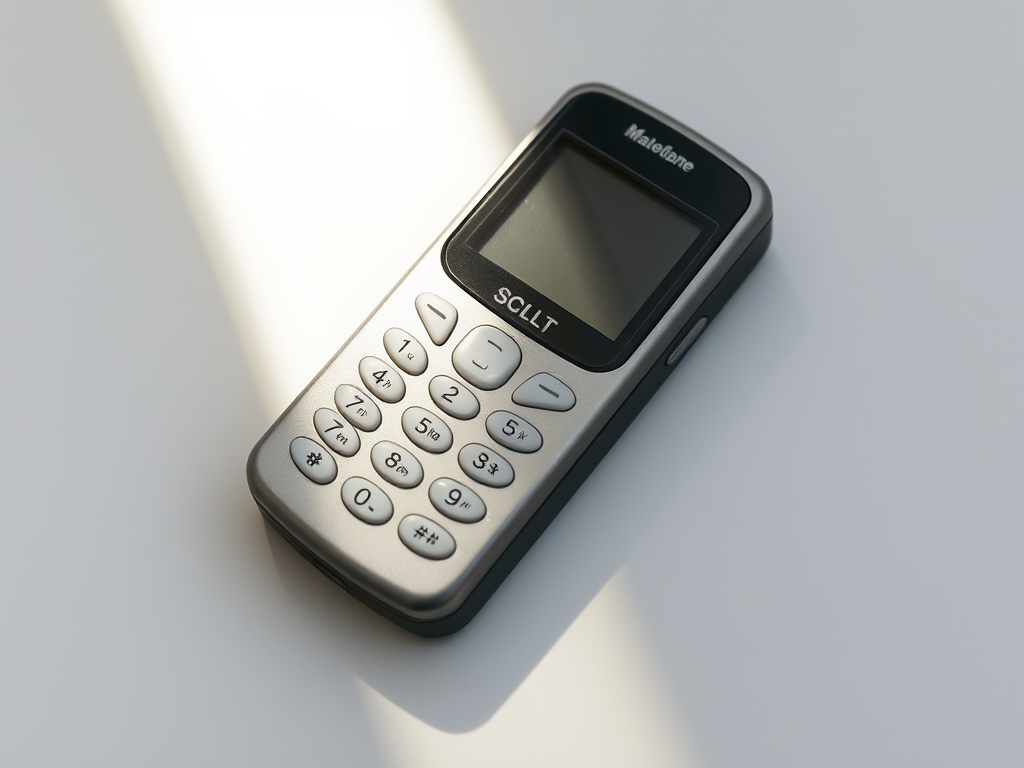
I began with a drawer–one I hadn’t touched in years. It creaked–not surprising since it hadn’t been opened since Clinton was president. Between the dog-eared notebooks and torn receipts was an ancient Nokia mobile phone, one that didn’t come with an internet feature. 

But Marie Kondo hadn’t reminded me to put away its charger, tucked away in the corner of that same drawer. Not expecting the mobile relic to light up, I stuck it in. I swore that it should have been dead, but it blinked at me as if I owed it a living–or electricity. The screen flickered like an eye, opening after a long coma. And it spoke.

In a familiar voice. I froze. My voice was cracked by time–and regret. I should have laughed to hear myself–but I put the phone on the table. And listened. 

πŸ“²πŸ“žπŸ“ŸπŸ“ β˜ŽοΈπŸ“³πŸ“΄πŸ“²πŸ“žπŸ“ŸπŸ“ β˜ŽοΈπŸ“³πŸ“΄πŸ“²πŸ“žπŸ“ŸπŸ“ β˜ŽοΈπŸ“³πŸ“΄

With an obsession. Some messages sounded like confessions. Gentle nudges. Advice. Regret. Each memo was a breadcrumb in a dark mental recess–a reminder of who I used to be. 

“You should have given your mom a chance–you’ve cast her aside like unwanted clothes.”

“Your brother has the right to make decisions about his own life. Why did you interfere?”

“You should have visited your grandmother. She cared for you when you were in the hospital.”

The voice cackled with Macbethian contempt each time it spoke, as if I was a wayward child. 

πŸ“²πŸ“žπŸ“ŸπŸ“ β˜ŽοΈπŸ“³πŸ“΄πŸ“²πŸ“žπŸ“ŸπŸ“ β˜ŽοΈπŸ“³πŸ“΄πŸ“²πŸ“žπŸ“ŸπŸ“ β˜ŽοΈπŸ“³πŸ“΄

The phone tolled without warning–my fingers wound tightly round it, not answering. There was no timestamp–just a cryptic missive.

“Release.”

The voice continued its speech, its tone ominous, yet comforting. The older me bore her soul.

“My mom never had anything nice to say–was never a supportive pillar. My brother’s heart was set on himself. And my grandmother? Well, she was forceful. Too forceful. Her way, or the by-way.Β 

“So I left all of them on the shelf. Went my own way.”

The phone paused for a while, then continued, without residual cackling. 

“All I wanted was a healthier family dynamic. I only wanted to fix it. Make it right. Fair.”

πŸ“²πŸ“žπŸ“ŸπŸ“ β˜ŽοΈπŸ“³πŸ“΄πŸ“²πŸ“žπŸ“ŸπŸ“ β˜ŽοΈπŸ“³πŸ“΄πŸ“²πŸ“žπŸ“ŸπŸ“ β˜ŽοΈπŸ“³πŸ“΄

The voice stopped. My fingers unclenched, slowly. I left it on the table, its screen still blinking. No longer accusing. But pleading. 

The screen on my new phone blinked, wondering. An invitation. 

“Gathering at Aunt Gen’s place next Sunday. Just to let you know.”

That night, my voice memos disappeared.  I didn’t try to retrieve them. 

The phone said what it needed to. I navigated to the family chat on Whatsapp, and paused.

πŸ“²πŸ“žπŸ“ŸπŸ“ β˜ŽοΈπŸ“³πŸ“΄πŸ“²πŸ“žπŸ“ŸπŸ“ β˜ŽοΈπŸ“³πŸ“΄πŸ“²πŸ“žπŸ“ŸπŸ“ β˜ŽοΈπŸ“³πŸ“΄

If you like what you read, do join me on Patreon.

Do find a my collection of short horror stories, Tales from the Dark, free for download here.

Do check out great books by other authors on Amazon! Today’s book is The Colonizers by Joseph Mullen.

The Library Between Realities

True change lies within. – Michelle Liew

And yes, it helps to visit a library.

πŸ“šπŸ“–πŸ“šπŸ“šπŸ“–πŸ“šπŸ“–πŸ“šπŸ“šπŸ“–πŸ“šπŸ“šπŸ“–πŸ“šπŸ“–πŸ“šπŸ“šπŸ“–πŸ“šπŸ“šπŸ“–πŸ“šπŸ“–
Award-winning architect Avery Lin, one-time award-winning architect, now a shadow darting between streetlights. She watched the city lights blur around her, all the time guzzling cans of Anchor Beer.

Drunkenness was her only relief; it protected her from downturned eyes.

Stray cats were her only company; some even became fast friends. One, its silvery eyes communicating feline messages of invitation, beckoned her down an alley.

At its end was a weathered, oak door. Scratched. Etched with the crude marks of vandals. She pushed it open and was hit instantly by a musty smell.

Musty, yet thrilling. Intrigued by its possibilities, Avery stepped in further to find…

A plethora of books lining shelves from right to left. Volumes of ancient encyclopedias speaking wisdom she was yet to understand. Staircases coiled up through the levels like question marks–this was a library full of answers.
πŸ“šπŸ“–πŸ“šπŸ“šπŸ“–πŸ“šπŸ“–πŸ“šπŸ“šπŸ“–πŸ“šπŸ“šπŸ“–πŸ“šπŸ“–πŸ“šπŸ“šπŸ“–πŸ“šπŸ“šπŸ“–πŸ“šπŸ“–

The bookshelves towered over Avery, emanating a comforting smell—a woodsy mixture of must and oak. It was a veritable sea, extending from floor to ceiling with waves of white and black print.

The brown wave overwhelmed Avery, drowning her in a Tsunami of questions. The pages and tomes seemed to wrap around her, like newspaper cuttings enveloping her in a desert of uncertainty.

Despite the library’s relative serenity, Avery drifted restlessly between aisles, the books a landslide threat. Some of them had unnerving titles—The Life You Could Have Lived, and Balm for the Lost Soul.

The first opened itself to a page—one with moving images of herself on it. A version of herself that never gave up. Skyscrapers around her rose. Laughter reverberated. People clapped. She shut the book, fingers trembling.

The second opened to another page of moving images, showing the moment her confidence crumbled. Into irretrievable fragments. She relieved this past–but through the eyes of a witness.

The pages breathed when she fingered them–too a lived to be mere paper. She watched herself live a version of life that she only dreamt of.

The librarian appeared, tall, mirrored, ageless. Her eyes were dark, twin mirrors. Bespectacled, donned in a white blouse with its collar wrapped around her neck. “‘You’re long overdue,” they taunted. “Not for a book. For becoming who you should be.”

A storm raged briefly in the poetry section. Words rained down her overcoat. She wiped her hands on her sides, then brought them in front of her face. They were ink-stained.

She sat in a quiet alcove in the library’s corner, watching her “perfect life” replay again and again between that pages of The Life You Could Have Lived. Her heart pounded with a series of dull, painful thuds.

A figure manifested in the corner of the room—tall, ageless, her eyes eerily mirrored. She drifted toward Avery, finally stopping to shoot her a condescending look. “You’re long overdue. Not for returning a book, though that needs looking into. We’re concerned about you—becoming.”
πŸ“šπŸ“–πŸ“šπŸ“šπŸ“–πŸ“šπŸ“–πŸ“šπŸ“šπŸ“–πŸ“šπŸ“šπŸ“–πŸ“šπŸ“–πŸ“šπŸ“šπŸ“–πŸ“šπŸ“šπŸ“–πŸ“šπŸ“–
Avery shot her a look—a stormy mix of frustration and confusion. The librarian hovered around the alcove, her shadow noiseless. Then, without looking at Avery, she dropped a tome on her table. It bore no title—only running ink.

“You’re to fill it in.” Her voice was broken, as brittle as the ancient volume’s paper. “You’re not to erase anything. What you write remains—set, alive.”

Avery stared at the notebook, her look as blank as the pages before her. They were blank, but warm to the touch.

The librarian added, with a touch of kindness. “When you’re ready, shelve it where everyone can see it. Becoming is for all to witness.”

The dust in the alcove no longer clung to her: it settled, like time taking gentle breaths. The surrounding shelves became a polished brown. The pages of the old tomes were pure white; they had lost their dog ears and yellow tone.
πŸ“šπŸ“–πŸ“šπŸ“šπŸ“–πŸ“šπŸ“–πŸ“šπŸ“šπŸ“–πŸ“šπŸ“šπŸ“–πŸ“šπŸ“–πŸ“šπŸ“šπŸ“–πŸ“šπŸ“šπŸ“–πŸ“šπŸ“–
The sun shone, its gentle rays jostling her awake in her car. The sky’s faint blue colour was one that she hadn’t seen in months. The now familiar library tome lay on her lap, smelling faintly of salt. In her hand was a black charcoal pencil, fresh, eager to begin.

No librarian. No one else around her. Just the sound of the pencil scratching against paper.

And so she writes. Not for anyone else’s eyes. She began to pen the tome, now no longer ancient, just for herself.

And she smiles, for the first time in years.
πŸ“šπŸ“–πŸ“šπŸ“šπŸ“–πŸ“šπŸ“–πŸ“šπŸ“šπŸ“–πŸ“šπŸ“šπŸ“–πŸ“šπŸ“–πŸ“šπŸ“šπŸ“–πŸ“šπŸ“šπŸ“–πŸ“šπŸ“–

Avery stepped into the library two years later, beaming as stepped into the alcove. The fresh smell of new books greeted her. New shelves scaled the walls, filled with new tomes and encyclopedias, each with fresh pages.

The tome she had written lay on the table she had sat at two years earlier, waiting for her to turn its pages. The same fresh smell entered her nose gently, rousing her other senses, widening her smile.

The librarian hovered over to her, now dressed in pressed jeans, a sweet tee and a denim vest. She had tied up her hair in a high ponytail.

“Ready to add a new chapter to your tome?” She grinned, her long fringe cascading over her eyes.

“You bet,” Avery punched the air.

πŸ“šπŸ“–πŸ“šπŸ“šπŸ“–πŸ“šπŸ“–πŸ“šπŸ“šπŸ“–πŸ“šπŸ“šπŸ“–πŸ“šπŸ“–πŸ“šπŸ“šπŸ“–πŸ“šπŸ“šπŸ“–πŸ“šπŸ“–

If you like what you read, do join me on Patreon.

Do download my free book of Horror Stories, Echoes in the Dark, here.

Please check out ebooks by other amazing writers on Amazon. Today’s book is Nothing But The Truth by Rebecca Clark

Face Value

Our baggage holds surprises. – Michelle Liew.
πŸ§³πŸ’ΌπŸ‘œπŸ’ΌπŸ§³πŸ’ΌπŸ‘œπŸ’ΌπŸ§³πŸ’ΌπŸ‘œπŸ’ΌπŸ§³πŸ’ΌπŸ‘œπŸ’ΌπŸ§³πŸ’ΌπŸ‘œπŸ’Ό

Mr Goh moved into the old boarding house in Kong AIk road without much fanfare, quiet man that he was. The impeccably dressed accountant always had his trusty briefcase with him; though a little worn, its leather sheen never dulled, and it was always at his side, as if it contained something indispensable. He was just a stranger, a face in the crowd.

Then, strange disappearances. Mysterious coincidences—until they weren’t anymore.

  πŸ§³πŸ’ΌπŸ‘œπŸ’ΌπŸ§³πŸ’ΌπŸ‘œπŸ’ΌπŸ§³πŸ’ΌπŸ‘œπŸ’ΌπŸ§³πŸ’ΌπŸ‘œπŸ’ΌπŸ§³πŸ’ΌπŸ‘œπŸ’Ό

Coincidences they were, but they didn’t get past Detective MIra Chong. Her trained instincts spotted them the minute she got Mr. Goh for a quiet sit-down.

He was polite. Too polished. As if he had rehearsed every word.

“Detective,” he cautioned with a practiced look of smugness. “Some people aren’t meant to be found.”

“What do you mean?” She sat back in her chair, tilted her head, and caught his eye. He simply placed his briefcase on the table . When it snapped open, it was absolutely–

Different.

She expected documents. But instead saw–movement.

She staggered back, breath hitching.
πŸ§³πŸ’ΌπŸ‘œπŸ’ΌπŸ§³πŸ’ΌπŸ‘œπŸ’ΌπŸ§³πŸ’ΌπŸ‘œπŸ’ΌπŸ§³πŸ’ΌπŸ‘œπŸ’ΌπŸ§³πŸ’ΌπŸ‘œπŸ’Ό

Inside the briefcase were….faces. Eyes blinking, mouths frozen mid-scream. Features distorted, as if pressed against glass.

“You see, Miss,” Mr. Goh murmured, smug and assured, “I don’t kill them. I collect them.”

Seasoned detective though she was, bile burned her throat. She swallowed hard, keeping the nausea down. These were the people who had vanished. Their souls—stored.

She reached for her gun. Old Man Goh sighed, eyeing her too calmly.

“Careful, Miss Chong.” His smile was too knowing. “You don’t want to be with them–too.”
πŸ§³πŸ’ΌπŸ‘œπŸ’ΌπŸ§³πŸ’ΌπŸ‘œπŸ’ΌπŸ§³πŸ’ΌπŸ‘œπŸ’ΌπŸ§³πŸ’ΌπŸ‘œπŸ’ΌπŸ§³πŸ’ΌπŸ‘œπŸ’Ό

Mira pulled the trigger. The briefcase moved, though Mr. Goh remained stoic. He merely chuckled, seeing the bullet hole in it seal itself.

“It doesn’t work like that, ” he fixed her with a condescending gaze. “Didn’t you know?” You can’t kill the dead.”

He opened the case with a flick of his fingers and tilted it towards her. The faces shrieked. Mira felt a tug. Pain razed her skull. Something was pulling her very essence, dragging her towards the case.

The briefcase wasn’t Mr. Goh’s storage box. It was a doorway. And it was STARVING.

Her fingers slackened, and her gun drifted to the floor. Her vision doubled. Her body gave way. She stepped back, but it no longer listened to her.
πŸ§³πŸ’ΌπŸ‘œπŸ’ΌπŸ§³πŸ’ΌπŸ‘œπŸ’ΌπŸ§³πŸ’ΌπŸ‘œπŸ’ΌπŸ§³πŸ’ΌπŸ‘œπŸ’ΌπŸ§³πŸ’ΌπŸ‘œπŸ’Ό

No.

She gritted her teeth and banged the table with all the energy she could muster. The sharp sting in her head kept her grounded, keeping her soul anchored in her body, where it was meant to be.

“You’re stronger than most women,” Mr. Goh’s eyes glimmered with faint surprise. He quickly masked it with a sinister grin, his voice dripping with both admiration and something—-dark. “But you’re too late.”

Mira returned his grin—with a diabolical snicker. “You’re not the only one who collects, you know.”

She stood tall, eyes locked on his. She reached for the torn rucksack slung across her shoulder. Inside, pairs of eyes. They flicked about constantly, searching for an exit.

Mr. Goh’s grin faltered. And he knew.

This story is entirely original. Any AI tags are coincidental. It 500 words between the quote and disclaimer.

πŸ§³πŸ’ΌπŸ‘œπŸ’ΌπŸ§³πŸ’ΌπŸ‘œπŸ’ΌπŸ§³πŸ’ΌπŸ‘œπŸ’ΌπŸ§³πŸ’ΌπŸ‘œπŸ’ΌπŸ§³πŸ’ΌπŸ‘œπŸ’Ό

if you like what you read, do join me on Patreon!

Check out today’s amazing book on Amazon:

The Pangean Chronicles by JP McDougall

The Patient Part 1

Trust the doctor. -Michelle Liew

******************************************

Liam tossed and turned in his hospital bed, the medicinal odour of antiseptic burning his nose—and underneath it, something else—sharp. The walls were too white, too—sanitized, as thought they had something to hide.He couldn’t remember how he got there.

A doctor stood at the foot of his bed, combing through his charts. “Mr. Loong,”he said, his voice professionally polished but his eyes—distant. Can you remember anything from your accident?”

******************************************

Liam’s mind swam with fractured memories. Flashes of dark roads. A loud crash. A garbled, static-filled voice. Headlights, but they didn’t belong to his car. He gripped the armrest, his knuckles white.

“Your car–took the worst of it. But your injuries are…odd.”

She pulled back his blanket. No cuts. No bruises. Not even a scratch.

The way she said “odd” unsettled- as if he knew more than she let on.

Liam’s throat dried up. “That’s impossible.”

******************************************

The doctor set his chart on her desk grabbed a package marked “radiology”. “Your scans came back. They’re clear…but we need to treat… something else.”

He held up a small mirror. Liam took it from him, his hands shaking. He held it up.

He wasn’t looking at himself.

At least, not the self he knew. His color was wrong. The shape—looked odd. His lips moved in the way his didn’t. A stranger returned his gaze. Watching from within.

Then, the reflection lagged, a breath behind reality.

************************************************

Liam’s chest moved up and down. “Doctor…why do I look like this?”

He didn’t respond. Instead, he reached into his pocket and pulled out a syringe filled with a viscose, black liquid. It wasn’t medicine. It pulsed, alive.

“Liam,” he cajoled, “You need to stay calm.” His smile was too professional. As if he’d done this before.

Liam’s heart pounded. His instincts told him —RUN.

************************************************

Liam’s fingers clenched into fists. The mirror slipped from his grip, shattering on the floor.

The second it broke, his mind wrenched open, and a flood of memories rushed in. Ones that didn’t belong to him.

He ran for the door.

The doctor lunged, too late.

Darkness won.

***************************************

If you like what you read, please join me on Patreon!

Check out other books on Amazon. Today’s book: The Pangean Chronicles by JP McDougall

The Final Entry

A lone candle flickers in an abandoned study, its wax gathering in a pool on the rosewood table. Layers of dust shroud the room,  undisturbed for years. A tattered journal lies open on the table, its yellowed pages filled with frantic script. The air is dense with something intangibleβ€”not just with time and dust, but with a presence unseen.   

Historian Bob Thorne and his wife, in search of the perfect abode, come across the rustic wonder. 

The rooms were vacant, its halls silentβ€”but it was inviting. 

They come across the journal, resting in wait on the study table. The words should have faded over the two decades that anyone was last seen in the roomβ€”but the ink was gleaming, wet beneath the candlelight.  

Bob thumbed eagerly through its yellowed pages. The entries seemed run-of-the-mill, nondescript at firstβ€”daily reflections and complaints about the heat. 

Until his fingers stopped at a page dated 50 years earlier. Fifty years of silence, pierced by a page that should not have existed. The ink was fresh, as if penned only moments earlier. 

A draft crept through the room, although its windows were completely sealed. Bob’s eyes hovered over the final entry quickly, wanting to reach its end—but prompted Bob to freeze. Dated that day, the journal documented his movements, sentence by finely penned sentence, as though unseen eyes were watching. 

The writer of that entry never meant for anyone to read it. But now that Bob had, he understood why.

The candle flickered violently; there was a shadow on the wall, not its own. It shifted, morphing into a shape so distended that Bob fell back. 

The journal’s pages slowly turned on their own, with a new line:

You are not alone. 

Bob felt it—a cold, chilling breath creeping down his neck. The breath of another person in the room. Unseen. 

He stumbled back, his heart hammering in his chest, with the flame becoming—taller. Extending. Coming closer to him. 

The ink bled onto the journal’s page, forming words not there before. Darkness swallowed Bob whole, and a whisper came from the place he least expected–his own mind. 

**************************************************************

If you like what you read, do visit me on Patreon—join my community!

Leave the Light On Part 2

You may not know who you are. –Michelle Liew

Part 1 is here

************************************************

Lina’s fingers wound around the photograph, clutching it. Hard. She couldn’t get past the resemblance. The man in the photo. Future Eric.

But how?

The air in the apartment had never been warm, but it was now ice in her lungs.The cold clenched her troat. Her eyes widened, pupils dilating, as Eric stared at the picture without a word. His tiny fingers caressed its aged surface. Slow. Deliberate. Almost reverent.

A little too lovingly.

He shouldn’t have known that face. Shouldn’t have any idea who it was. But his eyes darkened–they were too old for a child’s.

Then he whispered softly:

“I remember now.”

It was not his voice. Not entirely.

************************************************

The little boy started to speak–unclearly.

About things he shouldn’t have known. He described his mother’s room, how she laughed–how she bawled ceaselessly when they “came for her.” His voice sounded far away, as if he was recalling a dream.

“She begged them not to take me,” Eric murmured. “But they don’t listen.”

His voice shifted, as though two of him were speaking at once. One was the little boy in front of her–the other was someone ancient. Menacing.

The baby monitor came to life again. This time, the whispering wasn’t far away–it was right next to her ear.

She stumbled back. The closet door gaped open, like a ravenous mouth, spilling shadows into the room. A breath of cold air rushed out of it, along with a scent of damp earth and something–rotten. Eric didn’t look at her anymore. He was looking past her.

************************************************

Lina grabbed Eric, ready to run–but the little boy resisted.

He smiled a smile that was a mix of innocence and knowing.

“Mom.” His voice was a soft plea and a commanding threat. “She’s here.”

Then, her name. In urgent, resounding whispers. “Sophie Lew. Sophie Lew.”

They rose, becoming deafening–“SOPHIE LEW!”

The photograph in her grasp had changed. It was no longer Eric, but a grainy picture of her–Sophie.

Screams. Her screams.

The closet slammed shut.

************************************************

Lina shook the six-year-old awake. But he never remembered anything.

The once-angry scratches on his arms were gone. In dawn’s light, something seemed different.

The apartment felt–lighter. The whispers had stopped. But the silence was worse.

Her missing person file was now–empty. She, Sophie, was free. As if someone had taken her place.

************************************************

Lina’s breath came in punctured gasps. She backed away from the file, hands quivering. The truth pressed down on her, a heavy stone slab. Wrapping her. Suffocating.

She had answers to who the missing girl was– but she did not want to believe them.

Eric stretched, rising from bed. As if nothing had happened. “Mom, what’s wrong?”

She tried to speak, but her throat ran dry. She stared at Eric, open-mouthed. She had no words.

And the apartment was quiet. Too still.

Then, the baby monitor came to life. Dissonant, but familiar.

Lina swiveled, and Eric was standing in front of her, his eyes wide.

But his lips were not moving.

************************************************

If you like more of such content, do visit me on Patreon for more exclusive posts!

Leave The Light On Part 1

The past is never really gone. Michelle Liew

**********************************************

The apartment would have put most tenants off– flickering lights, a musty odour that clung to the air, and shadows that slithered across corridors.

But for single mother Lina Crew, content wasn’t an option–only survival. With her bank account nearly empty and six-year-old Eric to support, a cheap rental like this was all she could afford. Besides, all she wanted–and needed–was a fresh start.

They settled in as best they could, clinging to the promise of some stability after a bruising custody battle. To the relief of the financially-stretched but dedicated mother, he began to make friends.

Perhaps too many. Some…were wrong.

Muffled whispers came from his room. Lina thought nothing of it and let them be; they were nothing but harmless playdates and sleepovers.She didn’t want to be the sort of mother who appeared at her son’s bedroom door in the middle of the night.

Then one night Eric murmured: “The girl in the closet doesn’t like darkness.”

The whispered voices grew louder, bolder. Darker. As if they were not just speaking, but waiting.

Eric’s complaints grew like repeated recordings; soft scratching, like nails clawing desperately on wood, behind the walls. The closet opening and closing. Lina still dismissed them as child’s play. The busy mother always threw herself onto the sofa after a long day, falling asleep in front of him.

Time passed, and young Eric became a mere shell of himself. Odd, rake-like scratches appeared on his arms. His arms, once plump and full of energy, now hung limp. Cold. He stopped talking.

The rakish marks finally caught Lina’s divided attention. Muffled whispers came over the baby monitor one midnight, and she raced to Eric’s room. The little boy was fast asleep.

But the closet door stood ajar. Open, a fraction of an inch– she knew that she had closed it herself.

As if inviting her to explore.

And so she did. But that was all it was–a closet, albeit old, dank and dark.

The scratches on Eric’s arms were becoming deeper, more blood seeping from them with each passing day. She pushed her way into her landlord’s office.

“Ma’am, I don’t think there’s anything to fret over” He waved his arms and pushed her to the door. “Besides, the apartment’s ancient….hey, you knew that when you rented it.”

She found herself at the town library, fingers flicking through countless records in desperation.

A young girl, Sophie, had lived in the apartment decades ago–but had vanished. Her parents had appeared on television, hollow-eyed, grief wrapping them like a second skin.

Clipped behind the the torn pages of the news clipping was another photo- a yellow grainy picture of a man whose sunken eyes stared.

Straight at Lina.

Her throat caught. The man in the photograph was an older version of Eric. The same pale features, the same haunted demeanor.

Lina’s pulse raced as she slammed the file shut. Was the past was talking to her son?

Then Eric’s voice: “Mom, who’s that?”

If you like more of such content, do visit me on Patreon for more exclusive posts!